

An anxiety coping strategy is a deliberate, intentional technique used to regulate emotional and physiological responses to anxiety. These methods range from sensory grounding exercises like the 5-4-3-2-1 technique to Cognitive Behavioral Therapy (CBT) practices that reshape anxious thought patterns. The right strategy depends on your anxiety intensity, personal preferences, and daily routine. Understanding how to cope with anxiety means knowing which tools to reach for and when, because not every method works in every moment.
What is an anxiety coping strategy and why does it matter?
An anxiety coping strategy is any structured method that helps you interrupt, reduce, or manage anxious feelings before they escalate. Clinicians and researchers typically organize these methods into two broad categories: bottom-up strategies, which work through the body, and top-down strategies, which work through the mind. Both are legitimate, and both are necessary for a complete anxiety management toolkit.
Bottom-up strategies include controlled breathing, physical movement, and sensory grounding. These work directly on the nervous system without requiring clear thinking, which matters because high anxiety impairs higher cognition. During intense anxiety, bottom-up physiological techniques are often the only accessible options. That is why breathing and grounding are taught first in most clinical settings.
Top-down strategies include CBT-based cognitive reframing, acceptance practices, and emotional regulation techniques. CBT encourages reframing anxious thoughts to reduce catastrophizing and avoidance, which are two of the most common drivers of chronic anxiety. These strategies require more mental bandwidth, so they work best when anxiety is moderate rather than acute.
The problem-focused versus emotion-focused distinction also matters here. Problem-focused coping targets the source of stress directly, such as breaking a daunting task into smaller steps. Emotion-focused coping targets your internal response, such as using mindfulness for anxiety to sit with discomfort rather than fight it. Most people need both types depending on the situation.
- Bottom-up strategies: diaphragmatic breathing, 5-4-3-2-1 grounding, walking, yoga, progressive muscle relaxation
- Top-down strategies: CBT thought records, cognitive reframing, mantra repetition, acceptance-based practices
- Problem-focused coping: planning, problem-solving, breaking tasks down
- Emotion-focused coping: mindfulness, journaling, self-compassion exercises
Pro Tip: Start with a bottom-up strategy like slow breathing whenever anxiety spikes suddenly. Once your heart rate drops, shift to a top-down method like reframing the thought that triggered the anxiety.
How do evidence-based techniques reduce anxiety symptoms effectively?
The most well-documented anxiety management techniques produce measurable physiological changes, not just subjective feelings of calm. The 5-4-3-2-1 grounding technique, for example, reduces acute anxiety by 40% within minutes by redirecting attention to sensory input and breaking the cycle of rumination. That is a significant shift achievable without any equipment or professional guidance.
Breathing mechanics explain a lot about why certain techniques work faster than others. Extending the exhale during breathing exercises shifts the nervous system from the fight-or-flight state to the rest-and-digest state by activating the parasympathetic branch. A simple 4-count inhale followed by a 6 to 8 count exhale is enough to produce this effect within two to three breath cycles.
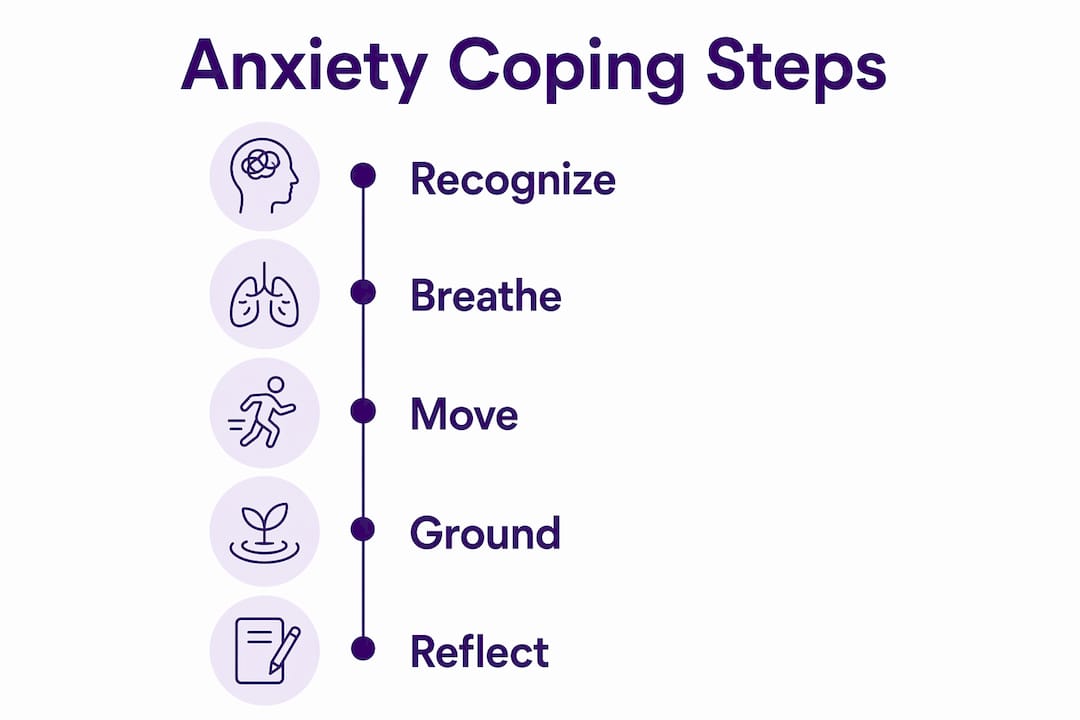
Physical activity is another evidence-based pillar. 30 minutes of daily walking or yoga releases endorphins and lowers baseline anxiety levels over time. This is not a short-term fix. Consistent movement builds neuroplasticity, the brain’s ability to form new, calmer response patterns, which is the foundation of lasting anxiety relief.
For clinical anxiety disorders, timelines matter. SSRIs and SNRIs show symptom improvement after 3 to 6 weeks of consistent use in Generalized Anxiety Disorder treatment. This timeline underscores why self-help strategies are critical during the early weeks of any treatment plan, filling the gap before medication takes full effect.
| Technique | Mechanism | Timeframe for effect |
|---|---|---|
| 5-4-3-2-1 grounding | Redirects attention via sensory input | Within minutes |
| Extended exhale breathing | Activates parasympathetic nervous system | 2 to 3 breath cycles |
| Daily physical activity | Releases endorphins, builds neuroplasticity | Days to weeks |
| CBT cognitive reframing | Restructures anxious thought patterns | Weeks to months |
| SSRIs or SNRIs (clinical) | Regulates serotonin and norepinephrine | 3 to 6 weeks |
“Effective coping is not about eliminating stress but about intentional cognitive reframing of anxious responses.” — CogniFit
How to build a personalized anxiety coping toolkit
A personalized toolkit is a curated set of coping strategies organized by anxiety intensity and personal effectiveness. The goal is not to collect every technique you have ever read about. The goal is to know exactly which three to five methods work for you and to have them ready before anxiety strikes.
Start by organizing your strategies by intensity level. Mild anxiety responds well to mindfulness practices, journaling, or a short walk. Moderate anxiety may need structured breathing or the 5-4-3-2-1 technique. Severe anxiety, where thinking becomes difficult, requires the simplest possible bottom-up tools: slow breathing, cold water on the face, or physical movement. A step-by-step self-help plan helps you map these tiers before you need them.
Here is a practical process for building your toolkit:
- List what has worked before. Think back to moments when anxiety eased. What were you doing? Breathing slowly, calling a friend, going for a walk? These are your starting candidates.
- Practice each technique when calm. Practicing coping strategies when calm builds the neural pathways needed to recall them under stress. A technique you have never practiced in a relaxed state is nearly useless during a crisis.
- Store your toolkit in multiple formats. Write strategies on an index card, save them in your phone notes, and post a short list somewhere visible at home. Anxiety impairs working memory, so physical reminders in multiple locations dramatically improve how often you actually use your tools.
- Combine strategies for stronger effect. Pair a breathing technique with a grounding exercise for acute anxiety. Pair physical activity with a CBT thought record for ongoing worry. Single strategies work, but combinations work better.
- Add maintenance strategies for emotional resilience. The DBT “ABC Please” framework from Dialectical Behavior Therapy targets sleep, nutrition, exercise, and illness management as the foundation of emotional stability. These are not coping strategies for acute anxiety. They are the conditions that make all other strategies more effective.
Pro Tip: Set a weekly 10-minute practice session where you run through your top two or three techniques while calm. Treat it like a fire drill. When anxiety hits, your nervous system will already know the route.
What pitfalls should you avoid when using coping strategies?
The most common mistake people make with anxiety coping skills is waiting until they are in crisis to try them. A technique encountered for the first time during a panic attack has almost no chance of working. The strategy is unfamiliar, the instructions are hard to recall, and the nervous system is already in overdrive. Practice is not optional. It is the mechanism that makes coping work.
A second critical pitfall is confusing avoidance with coping. Intentional coping strategies regulate emotions proactively, whereas avoidance is not effective coping. Avoiding a situation that triggers anxiety provides short-term relief but strengthens the anxiety response over time. True coping means moving toward the discomfort with a strategy in hand, not away from it.
Posture and physical environment also affect how well strategies work. Slouching with shallow chest breathing keeps the body in a low-grade stress state. Sitting upright and practicing mindful breathing, even for two minutes, shifts your physiological baseline before you attempt any cognitive technique. The body and mind are not separate systems.
- Do not wait for a crisis. Practice techniques regularly when anxiety is low.
- Do not confuse avoidance with relief. Short-term escape increases long-term anxiety.
- Do not skip the body. Posture and breathing set the stage for every cognitive strategy.
- Do not expect instant results from every method. Some techniques, like CBT, require weeks of consistent practice to produce lasting change.
- Do not ignore professional support. Self-help strategies are powerful, but they work best alongside professional guidance for moderate to severe anxiety disorders. Knowing when to seek help is itself a coping skill.
The mindset shift that matters most is recognizing that anxious feelings are temporary. Acknowledging “this feeling will pass” during an anxiety episode is not denial. It is an accurate, evidence-based statement that interrupts the catastrophizing loop. Paired with a grounding technique, this reframe is one of the fastest ways to reduce the intensity of an acute anxiety episode.
Key takeaways
Anxiety coping strategies work because they directly interrupt the physiological and cognitive loops that sustain anxious feelings, and the most effective approach combines body-based and thought-based techniques practiced consistently before a crisis occurs.
| Point | Details |
|---|---|
| Define your toolkit by intensity | Organize strategies for mild, moderate, and severe anxiety so you always know what to reach for. |
| Practice when calm | Neural pathways for coping must be built before a crisis, not during one. |
| Extended exhale breathing works fast | A longer exhale activates the parasympathetic nervous system within two to three breath cycles. |
| Avoidance is not coping | True coping involves active emotional regulation, not escape from triggers. |
| Accessibility is non-negotiable | Store coping tools in multiple formats because anxiety reduces working memory. |
Why coping strategies changed how I think about anxiety management
Most articles treat anxiety coping strategies as a checklist you pull out when things go wrong. That framing misses the point entirely. The people I have seen manage anxiety most effectively do not use their toolkit reactively. They treat it like a daily practice, the same way someone committed to physical fitness does not only exercise when they feel unwell.
What surprised me most is how much the body leads the mind in this process. I expected cognitive techniques like CBT to be the heavy hitters. They are powerful, but they are nearly useless when anxiety is acute. The 5-4-3-2-1 grounding technique and extended exhale breathing do something that no amount of rational thinking can do in that moment: they physically change your nervous system state within minutes. That is not a metaphor. It is measurable.
The other thing I want to say directly is this: self-compassion is not a soft add-on to anxiety management. It is load-bearing. People who berate themselves for feeling anxious create a second layer of distress on top of the first. Treating your anxiety with the same patience you would offer a friend is not weakness. It is the condition under which every other strategy becomes more effective.
Coping is a skill, not a personality trait. You are not either someone who handles anxiety well or someone who does not. You are someone who has practiced certain techniques or has not. That distinction is worth sitting with.
— dushyantha
How Cognicareai can support your anxiety coping routine
Finding the right coping strategies is one challenge. Staying consistent with them is another. Cognicareai addresses both by curating a directory of AI-powered mental health tools designed specifically for anxiety, stress, and emotional well-being.
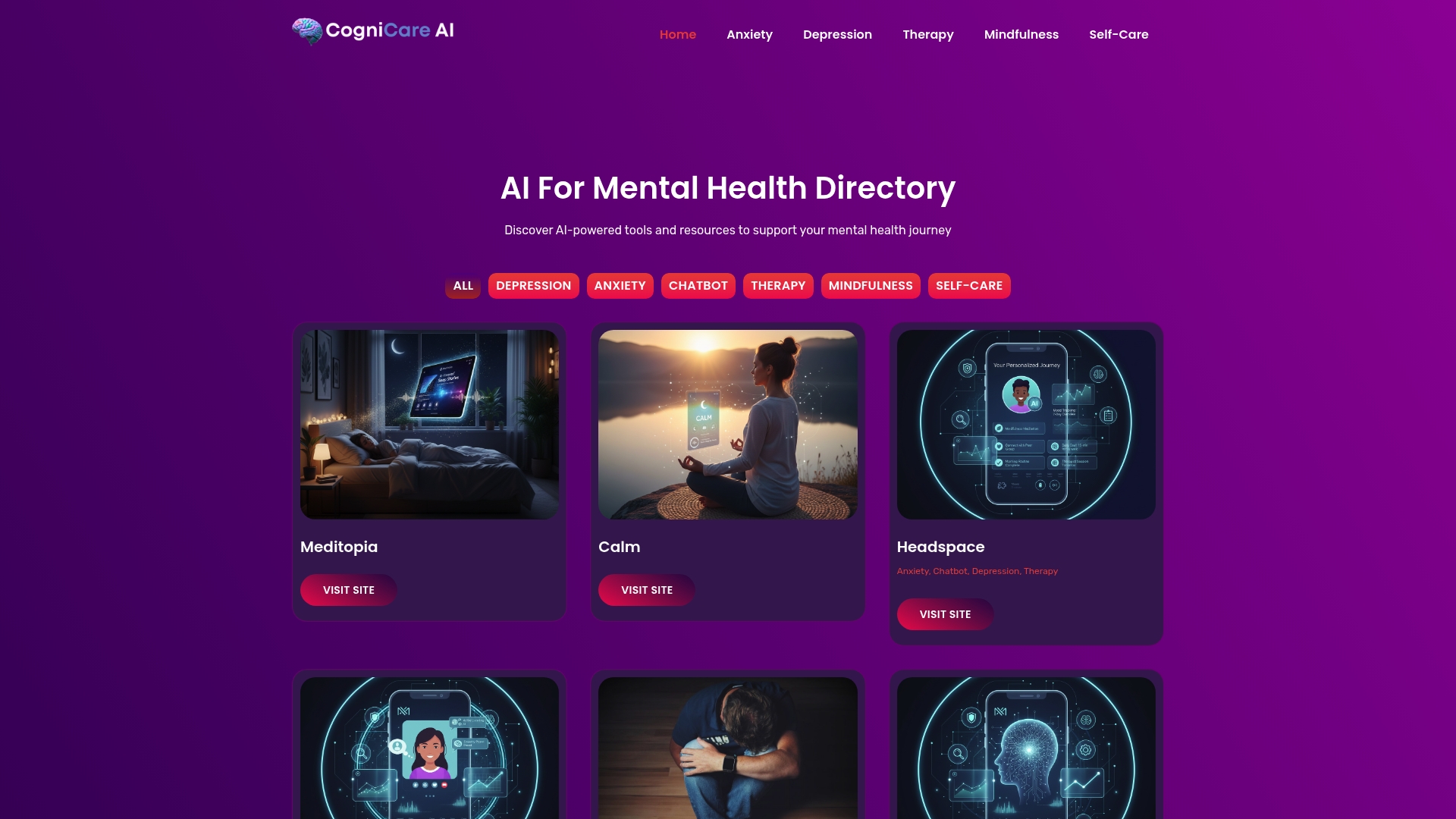
The platform connects you with personalized resources including AI-enhanced mindfulness apps, self-care guidance, and adaptive therapy tools that adjust to your specific needs over time. Whether you are building your first anxiety toolkit or refining an existing routine, Cognicareai simplifies the process of finding tools that actually fit your life. Explore the AI mental health tools available on the platform to find what works for your anxiety management goals.
FAQ
What is an anxiety coping strategy in simple terms?
An anxiety coping strategy is a deliberate technique used to reduce or manage feelings of anxiety by regulating your emotional or physical response. Examples include controlled breathing, the 5-4-3-2-1 grounding technique, and CBT-based cognitive reframing.
How quickly do anxiety coping strategies work?
Speed depends on the technique. The 5-4-3-2-1 grounding method reduces acute anxiety by 40% within minutes, while extended exhale breathing shifts the nervous system within two to three breath cycles. CBT and physical activity produce lasting changes over weeks.
What is the difference between coping and avoidance?
Coping involves actively regulating your emotional response to anxiety, while avoidance means escaping the trigger entirely. Avoidance provides short-term relief but strengthens anxiety over time, whereas intentional coping strategies build long-term resilience.
Should I practice coping strategies when I am not anxious?
Yes. Practicing techniques when calm builds the neural pathways required to recall and execute them effectively during an anxiety episode. Waiting until a crisis to try a new technique significantly reduces its effectiveness.
When should I seek professional help for anxiety?
Self-help strategies are effective for mild to moderate anxiety, but persistent or severe symptoms warrant professional evaluation. Clinical treatments like CBT therapy or SSRIs show measurable symptom improvement within 3 to 6 weeks and work best alongside consistent self-help practices.