

Sleep is a direct regulator of anxiety, not just a passive recovery state. The role of sleep in anxiety management is now backed by neurobiological evidence showing that slow-wave sleep activates specific brain circuits that suppress stress-driven fear responses. Sleep disturbances double the risk of developing clinical anxiety disorders. That single fact reframes sleep from a lifestyle choice into a clinical priority. Cognicareai’s directory of AI-powered mental health tools reflects this shift, connecting people with resources that address both sleep and anxiety together.
How does poor sleep quality and duration impact anxiety symptoms?
Poor sleep quality is one of the strongest predictors of anxiety symptoms, particularly in older adults. A meta-analysis of 19 studies covering 70,716 participants found an odds ratio of 4.0 linking poor sleep quality to anxiety. Short sleep duration carried an odds ratio of 2.14. These numbers mean that people who sleep poorly are four times more likely to report significant anxiety symptoms than those who sleep well.
The relationship runs in both directions. Anxiety disrupts sleep quality, and poor sleep increases emotional reactivity and next-day anxiety. This bidirectional loop is why treating anxiety without addressing sleep often produces incomplete results. You fix one side of the equation while the other keeps feeding the problem.
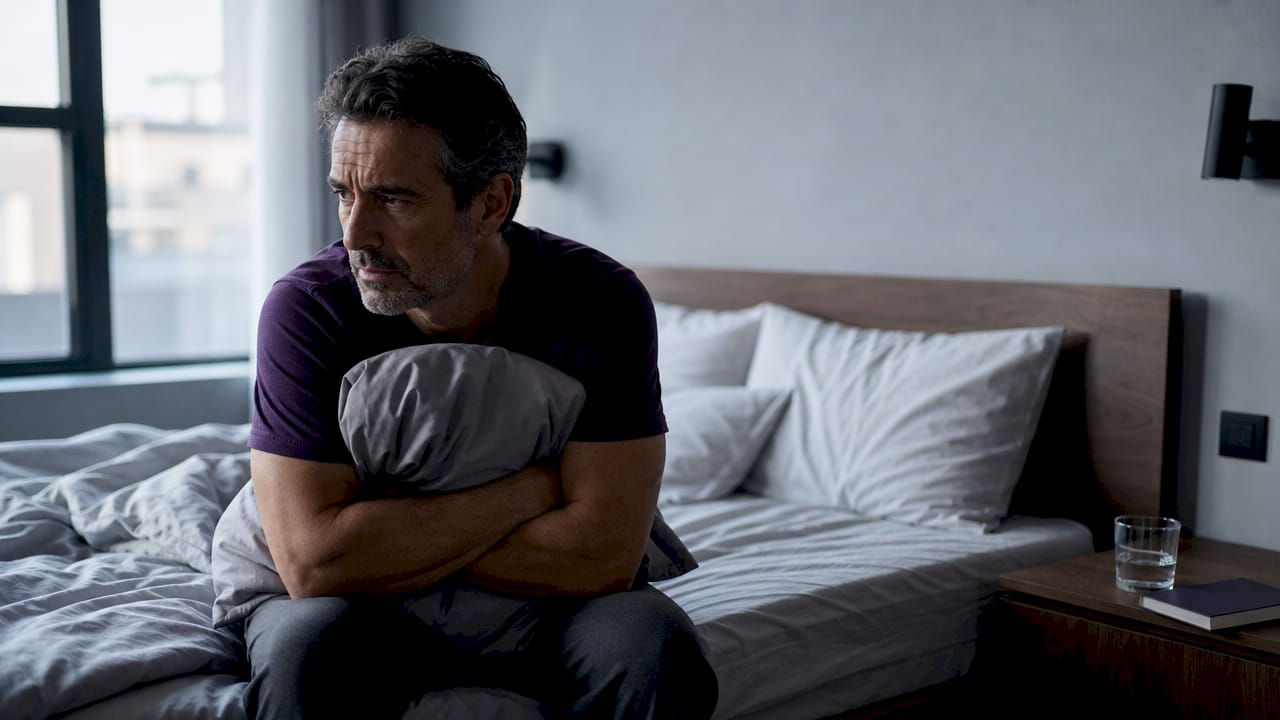
Older adults face a compounded risk. Brain changes that come with aging reduce the brain’s ability to generate restorative slow-wave sleep, which is the sleep stage most responsible for emotional regulation. This makes sleep quality assessments a necessary part of any anxiety evaluation, not an optional add-on.
| Sleep Factor | Odds Ratio for Anxiety | Clinical Implication |
|---|---|---|
| Poor sleep quality | 4.0 | Strongest modifiable risk factor for anxiety |
| Short sleep duration | 2.14 | Significant but secondary to quality |
| Consistent sleep schedule | Protective | Reduces emotional reactivity over time |
| Slow-wave sleep impairment | High risk | Directly linked to next-day anxiety increase |
Pro Tip: Track sleep quality, not just hours. A sleep diary or wearable that logs restlessness and wake events gives you far more useful data than a simple bedtime log.
What neural mechanisms underlie sleep’s effect on anxiety?
Slow-wave sleep does not just rest the brain. It actively suppresses anxiety through a specific neural circuit. A 2026 neuroscience study identified the PZ-LPB-ovBNST circuit, in which GABAergic neurons in the parafacial zone (PZ) inhibit anxiety-driving pathways during deep sleep. This is the first time researchers have mapped a direct biological mechanism connecting a sleep stage to anxiety suppression.
Here is what that circuit does in plain terms:
- PZ neurons activate during slow-wave sleep. These GABAergic cells fire specifically during deep, slow-wave sleep phases, not during REM or light sleep.
- They block the LPB pathway. The lateral parabrachial nucleus (LPB) is a relay station for stress signals. PZ neurons suppress it directly.
- The ovBNST goes quiet. The oval nucleus of the bed nucleus of the stria terminalis (ovBNST) drives anxiety responses. When the LPB is blocked, the ovBNST cannot amplify fear.
- The result is anxiolysis. Anxiolysis means a reduction in anxiety. Slow-wave sleep produces this effect through a hard-wired biological process, not just through rest.
- Disrupting slow-wave sleep reverses this protection. When slow-wave sleep is fragmented or shortened, the PZ-LPB-ovBNST circuit cannot complete its inhibitory function, leaving anxiety pathways active.
This finding has a critical implication: sleep architecture matters more than duration alone00336-3). Simply adding more hours in bed does not guarantee more slow-wave sleep. The quality and structure of sleep determine whether this anxiety-suppressing circuit activates at all. This is why people who sleep eight hours but wake frequently often still feel anxious the next day.
How do age-related brain changes affect sleep and anxiety management?
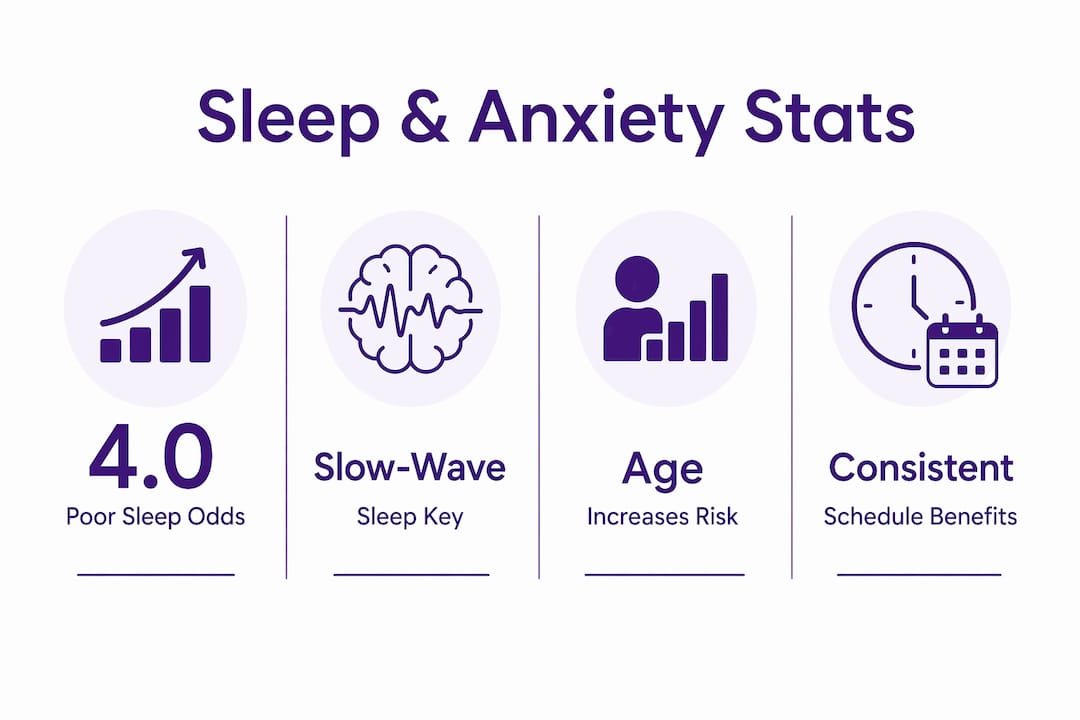
Brain aging directly impairs the slow-wave sleep that protects against anxiety. Research shows that brain atrophy in anxiety-sensitive regions reduces slow-wave activity, which then mediates increased next-day anxiety in older adults. The pathway is clear: structural brain changes reduce deep sleep, and reduced deep sleep raises anxiety vulnerability.
This matters clinically because it explains why anxiety rates rise with age even in people without a prior anxiety history. The brain’s own architecture gradually undermines its ability to self-regulate fear. Recognizing this mechanism opens specific intervention targets.
Four clinical implications follow from this research:
- Screen for sleep quality in older adults with anxiety. A standard anxiety assessment that ignores sleep misses a primary driver of symptoms. Sleep quality assessments need to be part of routine clinical anxiety evaluations.
- Prioritize slow-wave sleep enhancement over sedation. Pharmacological sleep aids like benzodiazepines are contraindicated as first-line treatments in older adults due to dependency risk and cognitive side effects. Behavioral interventions come first.
- Use mediation models to set treatment expectations. Because slow-wave sleep mediates the brain-aging-to-anxiety pathway, improving sleep quality can interrupt that chain even when the underlying brain changes cannot be reversed.
- Tailor interventions to age-specific sleep architecture. Older adults naturally spend less time in slow-wave sleep. Interventions that specifically target deep sleep stages, such as stimulus control therapy and sleep restriction therapy, show stronger outcomes in this group than general sleep hygiene advice.
What practical strategies improve sleep to reduce anxiety?
The most effective anxiety management techniques that target sleep focus on consistency and sleep architecture, not just total hours. Consistent sleep and wake patterns contribute more to anxiety reduction than simply increasing time spent asleep. A stable sleep schedule anchors the body’s circadian rhythm, which in turn stabilizes emotional reactivity across the day.
Digital cognitive behavioral therapy for insomnia, known as dCBT-I, is the strongest non-pharmacological tool available. It reduces anxiety symptoms with a standardized effect size of -0.29 SMD (p=0.001) without requiring a therapist. That makes it accessible for people who cannot afford or access in-person care. You can find AI-assisted techniques that incorporate dCBT-I principles through digital platforms designed for anxiety relief.
Beyond dCBT-I, several evidence-based sleep hygiene practices directly support anxiety reduction:
- Set a fixed wake time every day, including weekends. Wake time is the primary anchor for your circadian rhythm. Varying it by more than 30 minutes weakens the biological clock that regulates mood.
- Limit caffeine after noon. Caffeine has a half-life of roughly five to six hours. Afternoon caffeine delays sleep onset and reduces slow-wave sleep depth, directly undermining the anxiety-suppressing circuit.
- Use your bed only for sleep. Stimulus control therapy trains your brain to associate the bed with sleep rather than wakefulness or worry. This is one of the most replicated behavioral sleep interventions in clinical literature.
- Practice a wind-down routine 30 minutes before bed. Activities like progressive muscle relaxation, diaphragmatic breathing, or guided mindfulness reduce pre-sleep cortisol. Lower cortisol at bedtime supports deeper slow-wave sleep entry.
- Avoid screens in the hour before sleep. Blue light suppresses melatonin and delays sleep onset. Melatonin is the hormonal signal that initiates the transition into slow-wave sleep.
Pro Tip: If you wake at 3 a.m. with racing thoughts, do not lie in bed trying to force sleep. Get up, do a quiet non-stimulating activity for 15–20 minutes, then return to bed. This prevents the bed from becoming a cue for anxiety.
Reducing anxiety without medication is achievable through these behavioral methods. Non-pharmacological approaches that target sleep consistently outperform medication-only strategies in long-term anxiety outcomes.
Key takeaways
Slow-wave sleep is the primary biological mechanism through which sleep suppresses anxiety, making sleep quality, not just duration, the central target in any anxiety management plan.
| Point | Details |
|---|---|
| Sleep quality predicts anxiety | Poor sleep quality carries a 4.0 odds ratio for anxiety, stronger than short duration alone. |
| Slow-wave sleep suppresses anxiety | The PZ-LPB-ovBNST circuit actively blocks anxiety pathways during deep sleep stages. |
| Consistency beats extra hours | A stable sleep-wake schedule reduces emotional reactivity more than occasional long sleep. |
| dCBT-I works without a therapist | Digital CBT for insomnia reduces anxiety symptoms with a clinically significant effect size. |
| Age increases vulnerability | Brain atrophy reduces slow-wave sleep in older adults, directly raising anxiety risk. |
Why sleep should be the first target, not the last resort
Most people treat sleep as something to fix after they get their anxiety under control. That sequence is backwards. After spending years looking at how anxiety and sleep interact in clinical and digital health contexts, the pattern is consistent: people who address sleep first see faster and more durable anxiety relief than those who start with talk therapy or medication alone.
The misconception I see most often is the belief that more sleep automatically means less anxiety. People will sleep nine hours and still feel wired and fearful the next morning. The research on the PZ-LPB-ovBNST circuit explains exactly why. If those nine hours are fragmented or light, the deep sleep circuit never fully activates. You get the hours but not the biology.
What actually works is treating sleep architecture as a clinical variable. That means asking not just “how long did you sleep?” but “how deep was it, and how consistent is your schedule?” Those two questions change the entire treatment conversation. Clinicians who integrate sleep quality assessments into routine anxiety evaluations catch a primary driver that standard symptom checklists miss entirely.
The other thing worth saying plainly: behavioral sleep interventions are underused because they require effort and patience. dCBT-I takes weeks to show full effect. A sleeping pill works tonight. But the pill does not produce slow-wave sleep the way natural sleep does, and it does not fix the underlying anxiety vulnerability. The behavioral route is harder and slower, but it addresses the mechanism rather than masking the symptom.
— dushyantha
Cognicareai’s tools for sleep and anxiety support
Cognicareai connects people experiencing anxiety with AI-powered mental health tools that address both sleep and emotional well-being in one place. The platform’s directory includes mindfulness apps, dCBT-I-aligned programs, and personalized self-care resources that adapt to your specific needs.
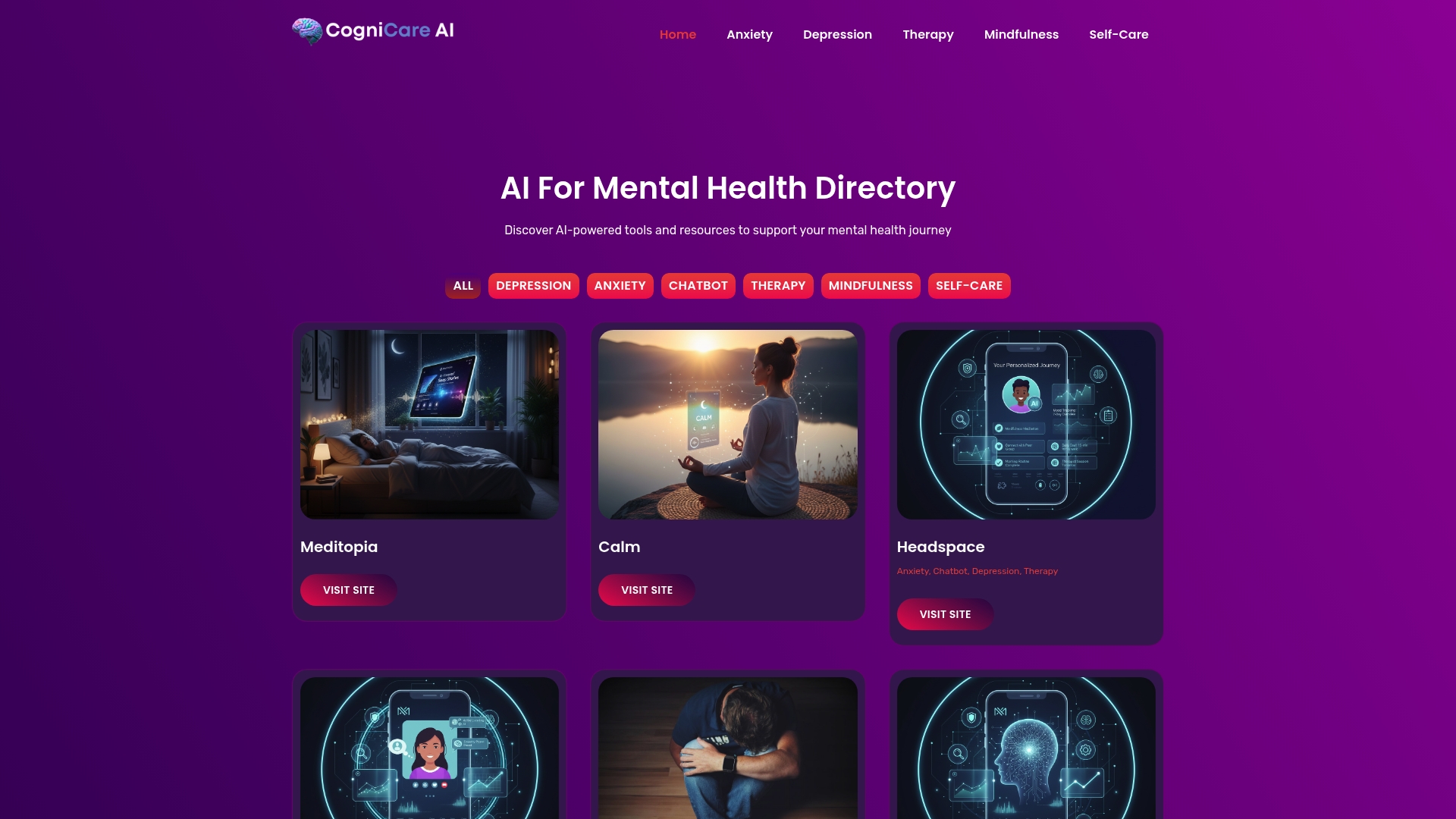
Whether you are just starting to understand how sleep affects your anxiety or looking for structured digital support, Cognicareai makes it straightforward to find the right tool. The platform’s AI-powered mental health tools are organized by need, so you are not sorting through generic wellness content. You get resources matched to anxiety and sleep, built on the same evidence base this article covers. Explore the full directory at Cognicareai to find what fits your situation.
FAQ
What is the role of sleep in anxiety management?
Sleep directly regulates anxiety by activating brain circuits during slow-wave sleep that suppress stress-driven fear responses. Poor sleep quality carries a 4.0 odds ratio for anxiety symptoms, making it one of the strongest modifiable risk factors.
Does sleep quality matter more than sleep duration for anxiety?
Yes. Sleep architecture, specifically the amount of slow-wave sleep, matters more than total hours. Fragmented sleep prevents the PZ-LPB-ovBNST circuit from completing its anxiety-suppressing function, even if total sleep time is adequate.
What is dCBT-I and how does it help anxiety?
Digital cognitive behavioral therapy for insomnia (dCBT-I) is a structured, therapist-free program that improves sleep quality and reduces anxiety symptoms with a standardized effect size of -0.29 SMD. It is the leading non-pharmacological intervention for anxiety-related sleep problems.
How does aging affect sleep and anxiety?
Brain atrophy in older adults reduces slow-wave sleep generation, which directly increases next-day anxiety. This mediation pathway explains why anxiety rates rise with age even in people without a prior anxiety history.
Can a consistent sleep schedule reduce anxiety?
Yes. Maintaining a fixed sleep and wake time stabilizes the circadian rhythm, which anchors emotional regulation. Consistent schedules reduce anxiety vulnerability more reliably than occasional long sleep or catch-up sleep on weekends.