
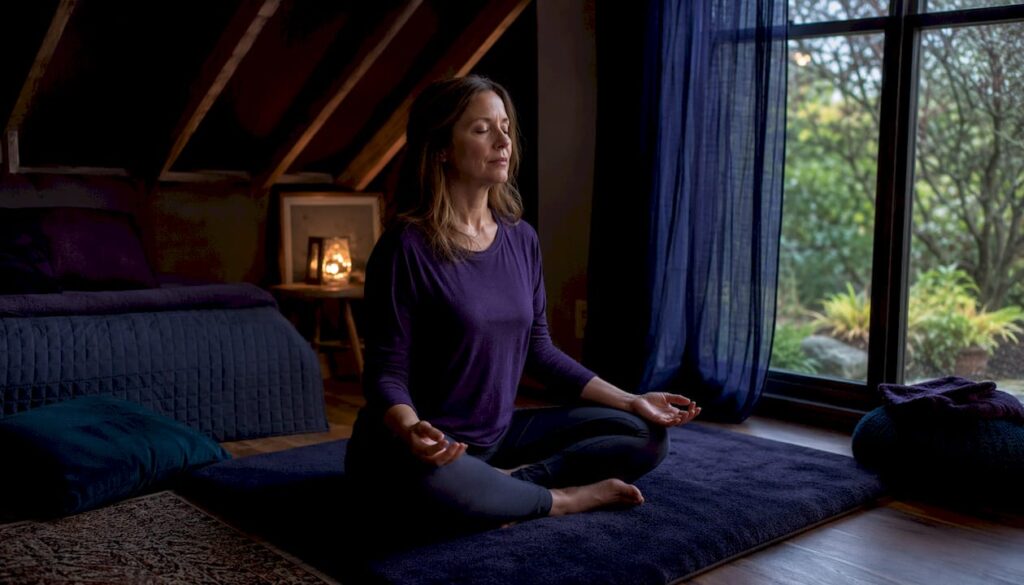
Anxiety relief techniques fall into three core categories: physiological (breathing, relaxation, movement), cognitive (thought restructuring, worry management), and behavioral (exposure, coping skill development). Each targets a different layer of anxiety, and combining all three consistently produces better outcomes than relying on any single approach.
Here is a quick map of what each category covers:
- Physiological techniques: Controlled breathwork (box breathing, 4-7-8), progressive muscle relaxation, guided visualization, yoga, grounding exercises
- Cognitive techniques: Cognitive behavioral therapy (CBT), cognitive restructuring, worry time, thought records, acceptance-based strategies
- Behavioral techniques: Graduated exposure therapy, coping skill practice, avoidance reduction, behavioral experiments
The logic behind using all three is straightforward. Physiological methods calm the nervous system fast. Cognitive tools change the mental patterns that keep anxiety running. Behavioral strategies break the avoidance cycles that make anxiety grow over time. Miss one category and you leave a gap.
1. What are the main anxiety relief technique categories?
Physiological techniques work from the body up. They calm the nervous system directly, which is why they are the fastest-acting tools in any anxiety management toolkit. The science behind them is well-established: focused exhale breathing activates the vagus nerve, slowing heart rate and dialing down the fight-or-flight response.
The most practical physiological methods include:
- Box breathing: Inhale for four counts, hold four, exhale four, hold four. Repeat.
- 4-7-8 breathing: Inhale four counts, hold seven, exhale eight. The extended exhale is the active ingredient.
- Progressive muscle relaxation (PMR): Tense each muscle group for five seconds, then release. Work from feet to face.
- Grounding (5-4-3-2-1): Name five things you see, four you hear, three you feel, two you smell, one you taste. Pulls attention out of anxious thought loops and into the present.
- Yoga and mindful movement: Combines breath regulation with physical tension release.
- Guided visualization: Mentally placing yourself in a calm, safe environment to reduce arousal.
For acute anxiety, breathwork and grounding work within minutes. For chronic anxiety, PMR and yoga build a lower baseline of physical tension over weeks of regular practice.
Pro Tip: Use breathwork to tolerate anxiety, not to escape it. Misusing safety behaviors like compulsive breathing to avoid discomfort can actually reinforce the fear response over time.
2. How cognitive techniques reshape anxious thinking
Cognitive techniques work from the mind down. Where physiological tools calm the body, cognitive methods target the thought patterns that generate and sustain anxiety in the first place. CBT is the gold standard psychotherapy for anxiety disorders, and its core mechanism is identifying distorted thinking and replacing it with more accurate, balanced interpretations.
Key cognitive methods include:
- Cognitive restructuring: Identify distortions like catastrophizing (“this will definitely go wrong”) and test them against evidence. What actually happened last time? What is the realistic probability?
- Worry time: Schedule 15–20 minutes daily to address anxious thoughts deliberately. When worry intrudes outside that window, defer it. This confines rumination to a controlled period and frees up the rest of the day.
- Thought records: Write down the triggering situation, the automatic thought, the emotion, and a more balanced response. The act of writing externalizes the thought and makes it easier to evaluate.
- Acceptance-based strategies (ACT): Rather than fighting anxious thoughts, practice observing them without judgment. Acceptance and Commitment Therapy, used widely at institutions like UR Medicine, teaches that reducing the struggle with anxiety often reduces anxiety itself.
The reason cognitive techniques produce lasting change is neurological. Repeated practice of restructuring actually shifts how the brain processes threat over time, reducing amygdala reactivity. That does not happen overnight, but consistent practice over weeks builds real resilience.

3. How behavioral techniques reduce avoidance and build tolerance
Behavioral techniques address what you do in response to anxiety, specifically the avoidance patterns that keep fear alive. Exposure therapy is the most evidence-backed behavioral tool: by gradually approaching feared situations rather than retreating from them, the brain learns that the threat is not as dangerous as predicted. That learning process is called extinction, and it is durable.
Core behavioral strategies include:
- Graduated exposure: Build a hierarchy of feared situations from least to most anxiety-provoking. Start at the bottom and work up, staying in each situation until anxiety drops by at least half before moving on.
- Behavioral experiments: Test anxious predictions directly. If you believe a social situation will go badly, try it and record what actually happens.
- Coping skill practice: Develop a personal toolkit of responses for high-anxiety moments, practiced regularly so they are automatic when needed.
- Reducing safety behaviors: Identify habits used to avoid anxiety (checking, reassurance-seeking, over-preparing) and systematically reduce them.
- Behavioral activation: Schedule activities that produce a sense of accomplishment or pleasure, which counteracts the withdrawal that anxiety encourages.
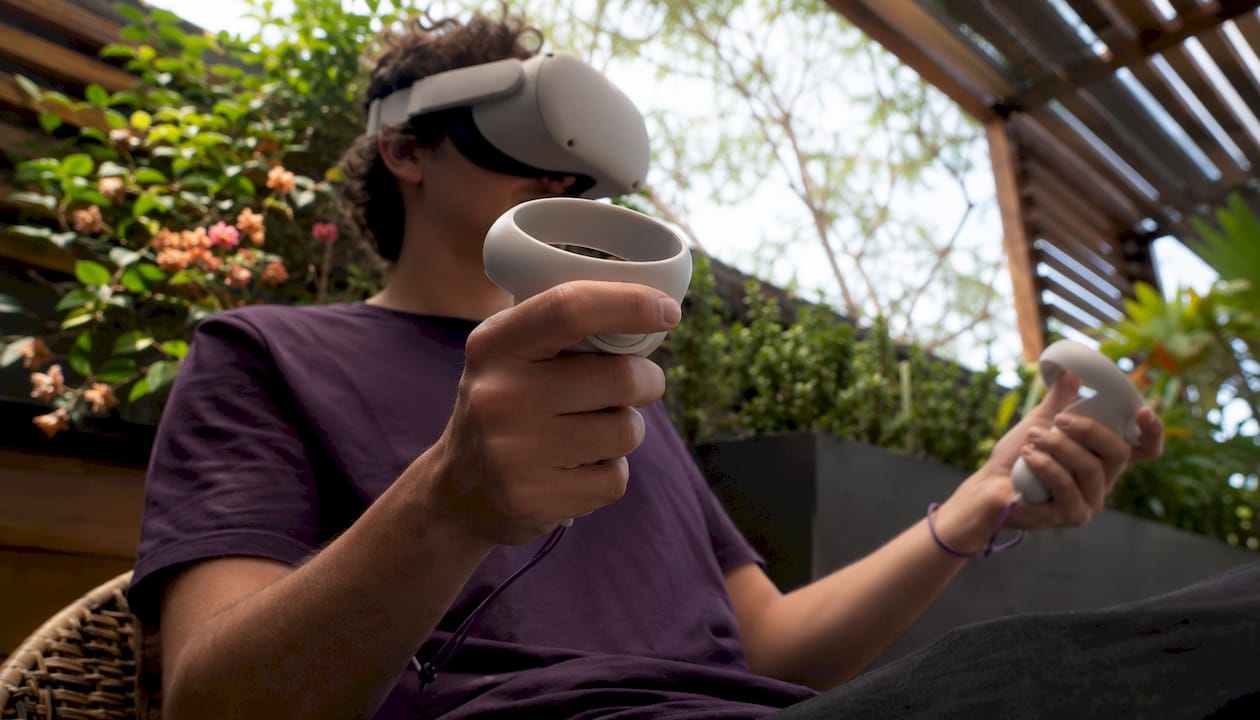
Professional therapists sometimes use virtual reality exposure for phobias and social anxiety, which allows safe, controlled practice that is difficult to replicate independently. For self-directed work, a written exposure hierarchy combined with a commitment to consistent practice covers most of the same ground.
4. How to put these techniques into practice effectively
The biggest mistake people make with anxiety management is treating it like a crisis tool rather than a daily practice. Small, consistent habits sustain anxiety reduction far more effectively than sporadic high-intensity interventions. A five-minute breathing practice every morning builds more resilience than an hour of PMR once a month.
Practical recommendations for integrating all three categories:
- Combine physiological and cognitive tools. Breathing calms the body enough to make cognitive restructuring possible. Trying to challenge thoughts while physically dysregulated rarely works.
- Use worry time daily, not just when anxiety spikes. The structure itself is the intervention.
- Schedule exposure practice like an appointment. Avoidance is the path of least resistance; commitment to a schedule overrides it.
- Regular aerobic exercise and consistent sleep hygiene reduce baseline anxiety and make every other technique more effective. Exercise effects on anxiety can rival medication in some populations.
- Social support matters. Talking through anxiety with trusted people, or joining a support group, reduces isolation and provides perspective that is hard to generate alone.
One common misconception is that the goal is to eliminate anxiety entirely. It is not. Anxiety is a normal, protective response. The goal is to manage it so it does not run your decisions. Techniques work best when used to tolerate anxiety sensations, not to make them disappear.
Pro Tip: Keep a brief diary of your anxiety triggers and which techniques helped. Patterns emerge quickly, and you can build a self-help toolkit tailored to your specific symptom profile.
5. How AI-powered tools are changing anxiety relief
AI-powered mental health tools now complement every category of anxiety relief technique. Adaptive mindfulness apps adjust session length and content based on your mood check-ins. Digital CBT programs guide you through thought records and cognitive restructuring exercises at your own pace. Self-care platforms use recommendation engines to surface the techniques most relevant to your current symptom pattern.
What makes AI tools particularly useful for anxiety management:
- Personalization: Rather than a generic relaxation script, an AI-driven app adapts to what has worked for you before and what your current stress level suggests you need.
- Accessibility: Available at 2 AM when anxiety spikes and a therapist is not reachable.
- Consistency support: Reminders, streaks, and progress tracking help build the daily habits that make techniques stick.
- Digital CBT: Structured programs that walk through the same cognitive restructuring and exposure exercises used in clinical CBT, without requiring a weekly appointment.
Users of AI-powered platforms report improved coping mechanisms and sustained engagement, according to Cognicareai. The AI-assisted anxiety techniques available through platforms like Cognicareai span all three technique categories, which means you are not limited to one approach. Explore the full range of mindfulness app options to find what fits your routine.
6. Where medication fits alongside these techniques
Pharmacological treatment is a legitimate and often necessary part of anxiety management, particularly for moderate to severe anxiety disorders. It does not replace the three technique categories; it creates the conditions in which they can work.
The most commonly prescribed medications for anxiety in the United States include selective serotonin reuptake inhibitors (SSRIs) like sertraline and escitalopram, serotonin-norepinephrine reuptake inhibitors (SNRIs), and buspirone for generalized anxiety. Benzodiazepines are used for acute relief but carry dependency risks with long-term use, so most prescribers limit them.
Medication tends to reduce the intensity of anxiety symptoms enough that cognitive and behavioral techniques become more accessible. Someone whose anxiety is so severe that they cannot engage in exposure practice may need medication to reach a workable baseline first. The combination of medication and CBT consistently outperforms either alone for most anxiety disorders. Any medication decisions require a licensed prescriber, and dosing or discontinuation should never be self-managed.
7. When should you seek professional help for anxiety?
Self-help techniques work well for mild to moderate anxiety. Professional help becomes necessary when anxiety is interfering with daily functioning, relationships, or work, or when self-directed practice has not produced improvement after several weeks of consistent effort.
Specific signs that point toward professional support:
- Anxiety that is present most days and feels uncontrollable
- Panic attacks, especially if they are frequent or unpredictable
- Avoidance that has narrowed your life significantly (stopped driving, avoided social situations, missed work)
- Physical symptoms like chronic insomnia, gastrointestinal issues, or persistent muscle tension
- Anxiety accompanied by depression or substance use
A licensed therapist trained in cognitive behavioral therapy is the most evidence-supported starting point. Primary care physicians can screen for anxiety disorders and refer to mental health specialists or prescribe medication when appropriate. Telehealth has made access significantly easier; many therapists now offer video sessions, which removes the barrier of travel or scheduling. If cost is a concern, community mental health centers and university training clinics often offer sliding-scale fees.
8. Acute vs. chronic anxiety: which techniques fit each?
Acute anxiety, the sudden spike before a presentation or during a panic attack, calls for fast-acting physiological tools. Box breathing, the 4-7-8 method, and the 5-4-3-2-1 grounding exercise all work within minutes because they directly interrupt the physiological stress response. Cognitive techniques are less useful mid-spike because the prefrontal cortex, the part of the brain responsible for rational thinking, is partially offline during high arousal.
Chronic anxiety, the persistent background hum of worry and tension, requires a different approach. Cognitive restructuring, worry time, and exposure therapy work on the underlying patterns that keep anxiety elevated day after day. These techniques require repetition over weeks to produce lasting change. Lifestyle factors, including sleep, exercise, and nutrition, also matter far more for chronic anxiety than for acute episodes.
The practical takeaway: build a two-layer toolkit. Keep one or two physiological techniques ready for acute moments. Run a daily cognitive and behavioral practice for the chronic layer. Matching the technique to the type of anxiety is what effective anxiety management actually looks like in practice.
Cognicareai makes finding the right tools faster
Most people trying to manage anxiety spend more time searching for the right technique than actually practicing one. Cognicareai cuts that search time by organizing AI-powered mental health tools into a clear, searchable directory built around your specific needs, whether that is a guided mindfulness app, a digital CBT program, or an adaptive self-care routine.
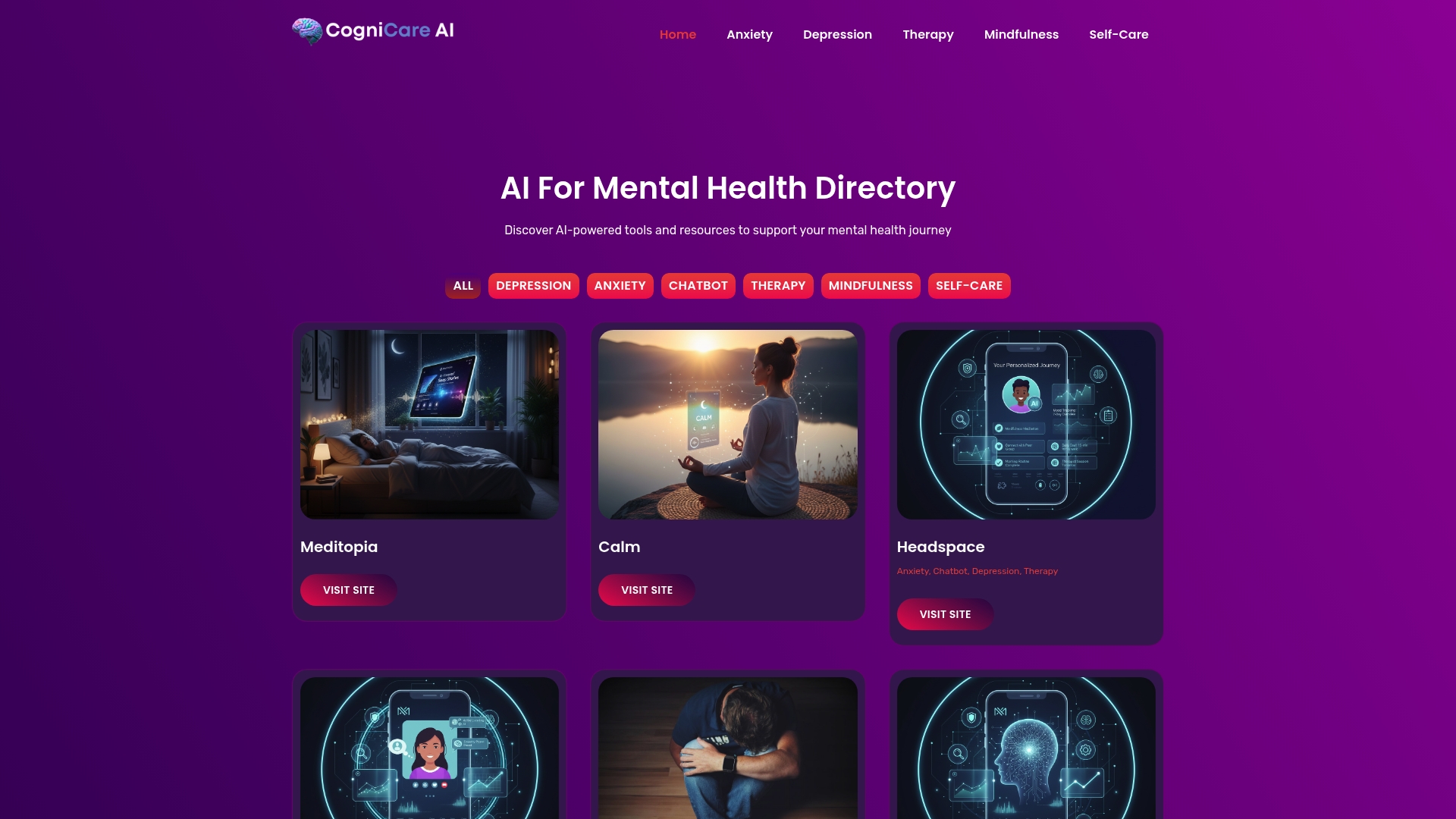
The difference from a generic app store search: Cognicareai’s directory is curated for people dealing with anxiety and depression specifically, with tools that adapt to your progress rather than delivering the same content on repeat. You get personalized recommendations across all three technique categories, physiological, cognitive, and behavioral, in one place. Check out the AI-powered mental health tools Cognicareai has vetted, or browse the full 2026 guide to AI mental health tools to find what fits your situation today.
Key Takeaways
Combining physiological, cognitive, and behavioral techniques produces more complete anxiety relief than any single method alone.
| Point | Details |
|---|---|
| Three core categories | Physiological, cognitive, and behavioral techniques each target a different layer of anxiety. |
| Exhale-focused breathing | Box breathing and 4-7-8 activate the vagal response for fast acute relief. |
| Worry time works | Scheduling a limited daily period of worry time confines rumination and frees the rest of the day. |
| Consistency beats intensity | Small daily habits build more lasting resilience than sporadic high-effort sessions. |
| Cognicareai | Provides a curated directory of AI-powered tools spanning all three technique categories for personalized anxiety management. |