

Depression therapy formats are the delivery methods through which psychotherapy reaches people experiencing depression. The main types of depression therapy formats are individual, group, family, couples, and digital therapy. Each format suits different symptom levels, personal preferences, and life circumstances. Clinical guidelines in 2026 recognize this diversity and recommend a stepped-care approach that matches format intensity to your current needs. Knowing your options is the first real step toward finding care that works.
1. What are the main types of depression therapy formats?
Depression therapy is delivered through four primary modalities: individual, group, family, and couples therapy. Digital formats have since joined this list as a clinically recognized option. Each format differs in setting, cost, social demand, and intensity. The right choice depends on your symptom severity, comfort with others, and practical constraints like schedule and budget.

2. Individual therapy: personalized care for moderate to severe depression
Individual therapy is a one-on-one format between you and a licensed therapist. It offers the most personalized attention of any depression therapy method. Your therapist builds a treatment plan around your specific history, triggers, and goals. This format works best for people with moderate to severe symptoms, those who value privacy, or those working through trauma alongside depression.
Common approaches used in individual sessions include:
- Cognitive Behavioral Therapy (CBT): Targets negative thought patterns and replaces them with realistic ones.
- Psychodynamic therapy: Explores how past experiences and unconscious patterns drive current mood.
- Behavioral activation: Schedules rewarding activities to break the withdrawal cycle common in depression.
- Interpersonal therapy (IPT): Focuses on improving relationships and communication skills.
Individual therapy pros include tailored care, privacy, and the ability to move at your own pace. The main drawback is cost. Sessions typically run $100–$300 without insurance, making it the most expensive format.
Pro Tip: Before committing to a therapist, ask directly about their experience treating depression and which methods they use. One introductory session is enough to gauge whether the relationship feels right. Therapist fit matters more than any specific technique.
3. Group therapy: peer support and real-world skill practice
Group therapy places you in a therapist-led session with other people managing depression. Groups typically include 3 to 15 participants per session. That size creates enough diversity for shared learning while staying small enough for personal connection. The therapist guides discussion, observes social dynamics, and facilitates skill practice in real time.
The format is especially effective for:
- Behavioral activation groups: Members set weekly activity goals and report back, creating accountability.
- CBT-based groups: Structured sessions teach thought-challenging skills to everyone simultaneously.
- Support-focused groups: Less structured, centered on shared experience and emotional validation.
Group therapy is cost-effective compared to individual sessions, often running at a fraction of the price. It also builds social skills through direct practice, which matters because social withdrawal is a core symptom of depression. The main challenges are group dynamics and confidentiality. You share space with strangers, and not every group will feel like a fit.
Pro Tip: If social anxiety makes group settings feel difficult, tell the therapist before your first session. Many group facilitators offer a brief individual intake meeting to ease the transition.
4. Family and couples therapy: addressing the relational roots of depression
Depression rarely affects only the person diagnosed. It strains relationships, disrupts communication, and often has interpersonal causes. Family and couples therapy directly addresses these relational dynamics rather than treating depression in isolation.
Key formats in this category include:
- Behavioral couples therapy (BCT): Targets communication breakdowns and negative interaction cycles between partners.
- Systemic family therapy: Examines how family roles and patterns contribute to one member’s depression.
- Attachment-based family therapy (ABFT): Designed for adolescents, it repairs the parent-child bond that often underlies youth depression.
This format is particularly useful when depression is linked to a recent relationship conflict, a major family transition, or when a partner’s behavior reinforces depressive withdrawal. The scheduling challenge is real. Getting multiple people to commit to regular sessions requires coordination. Voluntary participation from all parties is non-negotiable for this format to work.
5. Digital and alternate therapy formats: access without the waiting room
Digital therapy formats include internet-delivered CBT programs, guided self-help workbooks, video therapy sessions, and mental health apps. These formats are evidence-based for mild to moderate depression and are now recognized in clinical guidelines as legitimate first-line options for lower-severity cases.
The benefits are clear:
- No commute, no waiting room, and no scheduling around a therapist’s calendar.
- Lower cost than in-person formats, with some apps available for free or low monthly fees.
- Privacy for people who feel stigma around in-person mental health care.
- Flexibility to engage at your own pace, especially with self-help workbooks.
The risks are equally real. Unguided digital programs show smaller effects and higher dropout rates than programs with clinician support. Quality varies widely across apps and platforms. Not every app with “therapy” in its name is built on clinical evidence.
Guided digital self-help with brief weekly support outperforms independent programs because the human component keeps you accountable. Even a short weekly check-in with a counselor dramatically improves retention and outcomes.
Pro Tip: Before signing up for any digital therapy platform, check whether the therapists listed are licensed in your state and whether the program’s methods are backed by published clinical trials. Cognicareai’s directory of AI-powered therapy tools filters for credibility so you don’t have to do that research alone.
6. Comparing therapy formats: which one fits your situation?
Choosing between formats is not about finding the best one in the abstract. It is about matching the format to your current symptom severity, social comfort, and practical constraints.
| Format | Best for | Cost level | Social demand |
|---|---|---|---|
| Individual therapy | Moderate to severe depression | High | Low |
| Group therapy | Mild to moderate; social skill building | Low to medium | Medium to high |
| Family or couples therapy | Relational stressors driving depression | Medium | High |
| Digital or self-help | Mild depression; access barriers | Low | Low |
A stepped-care model matches therapy format intensity to symptom severity. You start with the least intensive format that meets your needs, then move to more intensive care if symptoms do not improve. For moderate to severe depression, combining psychotherapy with medication produces better outcomes than either treatment alone.
Formats are not permanent. Therapy plans evolve as your symptoms change. Someone who starts with intensive individual therapy may transition to a group format or digital maintenance tools once they stabilize. That flexibility is built into good clinical care, not a sign that treatment failed.
The quality of the therapeutic relationship consistently predicts outcomes more than the specific format. A strong alliance with your therapist matters more than whether sessions happen in person or online. Choose a format you will actually attend, with a therapist you trust.
Key takeaways
The most effective approach to depression treatment is matching your therapy format to your symptom severity, personal comfort, and practical needs rather than defaulting to one format for everyone.
| Point | Details |
|---|---|
| Four core formats exist | Individual, group, family or couples, and digital formats each serve different needs. |
| Stepped-care guides selection | Clinical guidelines recommend starting with the least intensive format that fits your severity. |
| Digital formats need clinician support | Guided digital programs outperform unguided ones; brief weekly check-ins improve retention. |
| Therapeutic alliance outweighs format | A strong relationship with your therapist predicts outcomes more reliably than any specific format. |
| Formats change as you recover | Transitioning from intensive individual care to group or digital tools is a sign of progress, not failure. |
What I’ve learned about format flexibility after years in this space
People searching for the right therapy format often approach it like a product comparison. They want the objectively best option. That framing sets them up for unnecessary frustration. The research is clear: therapeutic alliance is the strongest predictor of outcomes across all formats. The format is the container. The relationship is what heals.
What I’ve seen repeatedly is that people abandon therapy not because the format was wrong, but because they never felt heard in the first session. First sessions are often intake appointments, heavy on history-gathering and light on relief. That is normal. It does not mean the format failed.
The stepped-care model is genuinely useful, but only if you treat it as a living plan rather than a fixed prescription. If individual therapy feels too expensive to sustain, group therapy is not a downgrade. It is a different tool with real clinical support behind it. If digital tools feel isolating, that is data. Use it to move toward more contact, not to give up entirely.
My honest recommendation: pick the format you will actually show up for. Consistency beats perfection in depression treatment every time. Communicate openly with your provider when something is not working. Switching formats mid-treatment is not failure. It is good clinical practice.
— dushyantha
AI-powered tools to support your depression treatment at Cognicareai
Managing depression between therapy sessions is where many people struggle most. Cognicareai offers a directory of AI-powered mental health tools designed to fill that gap.
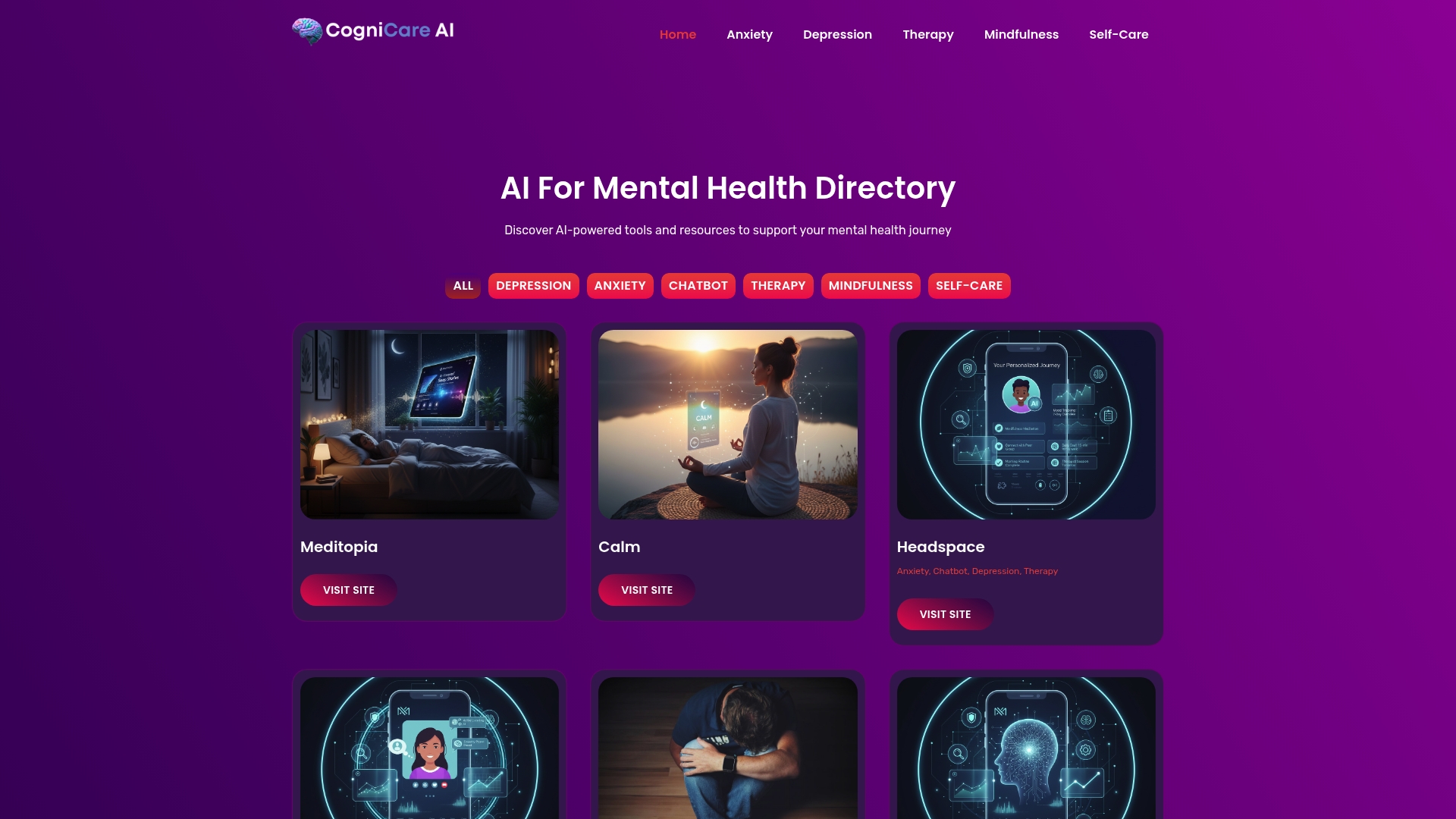
Whether you are looking for AI mental health tools to complement individual therapy, self-care strategies to use alongside a digital program, or mindfulness apps reviewed for clinical credibility, Cognicareai organizes these resources so you can find what fits your current format and severity level. The platform also covers holistic depression treatment strategies that work alongside any therapy format you choose. Good care does not stop when the session ends.
FAQ
What is the most common therapy format for depression?
Individual therapy is the most widely used format for treating depression. It offers personalized care and works across a broad range of symptom severities, from mild to severe.
Can I switch therapy formats during treatment?
Yes. Clinical guidelines recommend adapting your format as symptoms change. Moving from intensive individual therapy to group or digital formats as you stabilize is a standard part of stepped-care treatment.
Are digital therapy apps as effective as in-person therapy?
Digital therapy is evidence-based for mild to moderate depression, but effectiveness depends on whether clinician support is included. Guided programs with brief weekly support significantly outperform unguided apps in both outcomes and retention.
Is group therapy appropriate for severe depression?
Group therapy is best suited for mild to moderate depression. Severe depression typically requires the focused attention of individual therapy, often combined with medication, before group formats become appropriate.
How do I know which therapy format is right for me?
Match the format to your symptom severity, comfort with social settings, and practical constraints like cost and schedule. A licensed clinician can assess your needs and recommend a starting point within a stepped-care plan.