
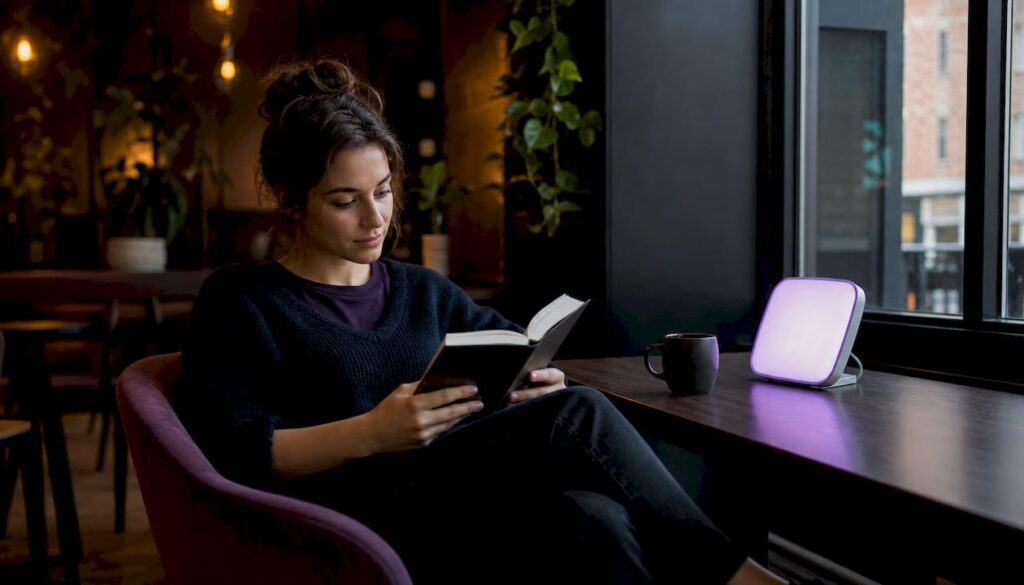
Light therapy is a clinically recognized intervention that reduces depressive symptoms by exposing the brain to controlled bright light, which resets disrupted circadian rhythms and normalizes neurochemical pathways. The role of light therapy in depression extends well beyond seasonal affective disorder (SAD). Clinical trials now confirm its effectiveness for non-seasonal major depression, with symptom improvement in 2–4 weeks at a standard dose of 10,000 lux for 30 minutes each morning. If you are researching depression treatment options and want a non-pharmacological approach with a strong evidence base, phototherapy for depression deserves serious consideration.
What scientific evidence supports light therapy’s effectiveness for depression?
Light therapy works by acting as a zeitgeber, a biological time cue that resets the suprachiasmatic nucleus (SCN), the brain’s master clock. When the SCN is dysregulated, cortisol secretion patterns go off schedule, which directly worsens mood, energy, and sleep. Light therapy normalizes cortisol rhythms that depression disrupts, addressing the biological root of the problem rather than just masking symptoms.
The clinical data is specific and consistent. A 2026 randomized controlled trial with 81 patients found that morning bright light therapy significantly reduces anhedonia, the inability to feel pleasure, and that improvement correlated directly with melatonin phase shifts. That correlation matters because it confirms the mechanism is physiological, not placebo. Patients showed measurable change within two weeks.
Meta-analyses add population-level confidence. Research reports small-to-moderate effect sizes for light therapy’s antidepressant effect, with no significant difference based on treatment season. That finding means light therapy works year-round, not just in winter months when SAD is most common.
Key findings from the clinical literature include:
- Anhedonia improvement: Morning light therapy produces measurable gains in pleasure response within two weeks, linked to melatonin phase advancement.
- Circadian stabilization: Light therapy resets the SCN and normalizes cortisol secretion, which is often dysregulated in people with depression.
- Year-round applicability: Effect sizes hold regardless of season, supporting use outside of the traditional winter SAD window.
- Safety profile: Side effects are mild and infrequent. Headaches or eye strain are the most common complaints and typically resolve when session duration is gradually increased.
One important distinction: bright light therapy and red-light therapy are not the same treatment. Only bright light therapy is clinically validated for depression. Red-light therapy targets different biological pathways and has no established antidepressant effect.
How does light therapy compare to other depression treatment options?
Light therapy is a first-line treatment for SAD and a proven adjunct for non-seasonal major depression. It is not a replacement for antidepressant medications or psychotherapy. Experts position it alongside pharmacotherapy and counseling, particularly for symptom clusters that medications alone often fail to resolve, such as fatigue, sleep disturbance, and anhedonia.
The practical advantages of light therapy are real and worth naming directly. It is non-pharmacological, meaning no drug interactions, no withdrawal effects, and no prescription required for most devices. The cost of a quality light box is a one-time expense. Sessions take 30 minutes and can be done at home while eating breakfast or reading.
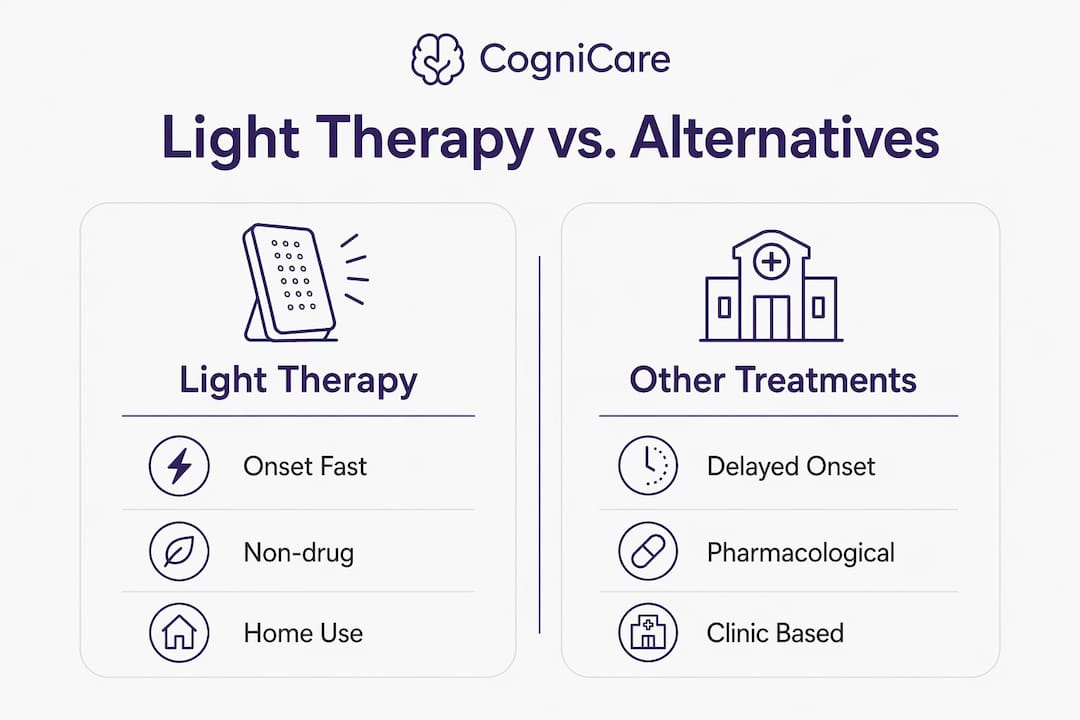
| Feature | Light therapy | Antidepressant medications | Psychotherapy |
|---|---|---|---|
| Onset of effect | 2–4 weeks | 4–6 weeks | 6–12 weeks |
| Side effects | Mild (headache, eye strain) | Moderate to significant | Minimal |
| Requires prescription | No | Yes | No |
| Targets circadian rhythm | Yes | Rarely | No |
| Best for | SAD, fatigue, anhedonia, sleep issues | Moderate to severe depression | Thought patterns, behavior |
The limitations are equally real. Adherence is a consistent challenge. Many people stop light therapy before the two-week mark when benefits typically begin to appear. Variable patient responses also mean that not everyone sees the same degree of improvement, and people with bipolar disorder should consult a psychiatrist before starting, as bright light can trigger manic episodes.
Light therapy fits best as part of a broader plan. Pairing it with holistic depression treatment strategies produces better outcomes than using any single approach alone.
Pro Tip: If you are already taking an antidepressant and feel residual fatigue or sleep problems, ask your doctor about adding morning light therapy as an adjunct rather than switching medications.
What are the best practices for using light therapy effectively?
Getting the protocol right determines whether light therapy works. Most people who report no benefit are using their device incorrectly, not because the treatment fails.
-
Choose the right device. Select a light box that delivers a certified 10,000 lux output and filters UV light. Devices vary widely in quality, and not all consumer products meet clinical standards. Look for models that specify UV filtration and certified lux output.
-
Position the device correctly. Sit 12–24 inches from the light source. Many people overestimate effective exposure by sitting too far away, which drops the lux level below the therapeutic threshold. The light should enter your eyes indirectly. Do not stare directly at the lamp.
-
Use it in the morning. Morning administration produces superior results compared to evening or midday sessions. Morning light advances the circadian phase, which is the mechanism responsible for anhedonia relief and mood stabilization. Aim for within one hour of waking.
-
Keep sessions to 30 minutes daily. Consistency matters more than duration. A daily 30-minute session outperforms occasional longer sessions. Set a recurring alarm and treat it like a medication dose.
-
Manage your full light environment. Daytime light exposure enhances mood while nighttime light exposure worsens it. Reduce screen brightness after 8:00 PM, get outside during daylight hours, and keep your bedroom dark at night. The therapy session alone is not enough if the rest of your day undermines circadian stability.
-
Build up gradually if side effects appear. Start with 15-minute sessions and increase to 30 minutes over one week if you experience headaches or eye strain. These side effects are temporary and manageable.
Pro Tip: Combine your light therapy session with a fixed morning routine, such as coffee and reading, so the habit anchors itself to an existing behavior. Adherence is the single biggest predictor of whether you see results.
What symptoms and types of depression respond best to light therapy?
Not all depression looks the same, and light therapy does not affect every symptom equally. Understanding which symptoms respond best helps you set realistic expectations.
Seasonal affective disorder is the condition with the strongest evidence base. SAD follows a predictable pattern, typically worsening in fall and winter and improving in spring. Phototherapy for depression in this context is a first-line recommendation from major psychiatric guidelines. The circadian disruption caused by reduced daylight hours is the direct target of treatment.
Non-seasonal major depression also responds to light therapy, particularly for specific symptom clusters. The symptoms most likely to improve include:
- Fatigue and low energy: Light therapy’s effect on cortisol normalization directly addresses the physical exhaustion that accompanies depression.
- Anhedonia: The 2026 RCT data specifically links morning light therapy to measurable anhedonia reduction, tied to melatonin phase shifts.
- Sleep disturbance: By resetting the circadian clock, light therapy improves sleep timing and quality, which in turn supports mood recovery.
- Hypersomnia: People who sleep excessively, a common feature of atypical depression and SAD, show consistent improvement with morning light exposure.
Core mood deficits, such as persistent sadness or hopelessness, show less consistent improvement from light therapy alone. This is why the treatment works best as part of a combined plan that includes evidence-based therapy formats and, where appropriate, medication. People with melancholic or psychotic depression features are less likely to benefit from light therapy as a primary intervention.
Patient selection also matters. People with a clear circadian component to their depression, meaning symptoms that worsen with reduced light exposure or follow seasonal patterns, are the strongest candidates. A sleep specialist or psychiatrist can assess circadian markers to guide this decision.
Key Takeaways
Light therapy is an evidence-based, non-pharmacological treatment that reduces depression symptoms by resetting circadian rhythms, with the strongest results when used at 10,000 lux for 30 minutes each morning.
| Point | Details |
|---|---|
| Standard protocol | Use a 10,000 lux, UV-filtered light box for 30 minutes within one hour of waking. |
| Onset of benefit | Symptom improvement typically appears within 2–4 weeks of consistent daily use. |
| Best symptom targets | Fatigue, anhedonia, sleep disturbance, and hypersomnia respond most reliably. |
| Adjunct, not replacement | Light therapy works best alongside medications or psychotherapy, not instead of them. |
| Full light environment | Reducing nighttime light exposure is as important as the morning therapy session itself. |
Light therapy works, but the context around it matters just as much
I have seen people approach light therapy the same way they approach a new supplement: try it for a week, feel nothing, and quit. That pattern is the single biggest reason the treatment gets dismissed unfairly.
The two-week threshold is real. The physiological changes, melatonin phase shifts, cortisol normalization, circadian recalibration, take time to accumulate. Stopping at day seven is like stopping an antibiotic course halfway through and concluding antibiotics do not work.
What I find genuinely underappreciated is the nighttime side of the equation. Most people focus entirely on the morning session and then spend their evenings bathed in blue-spectrum screen light. That behavior directly counteracts the circadian work the morning session is trying to do. Light hygiene is a full-day practice, not a 30-minute morning ritual.
My honest view is that light therapy is one of the most underused tools in depression management, particularly for people dealing with fatigue and anhedonia that antidepressants have not fully resolved. The barrier is not evidence. The barrier is that it requires daily consistency and a willingness to adjust your environment. Those are behavioral challenges, not medical ones. Pairing light therapy with practical self-care strategies that support daily structure makes adherence significantly more achievable.
— dushyantha
Cognicareai and mental health tools that complement your treatment plan
Depression treatment rarely works best as a single intervention. Light therapy addresses circadian biology, but mood, thought patterns, and daily habits all need support too.
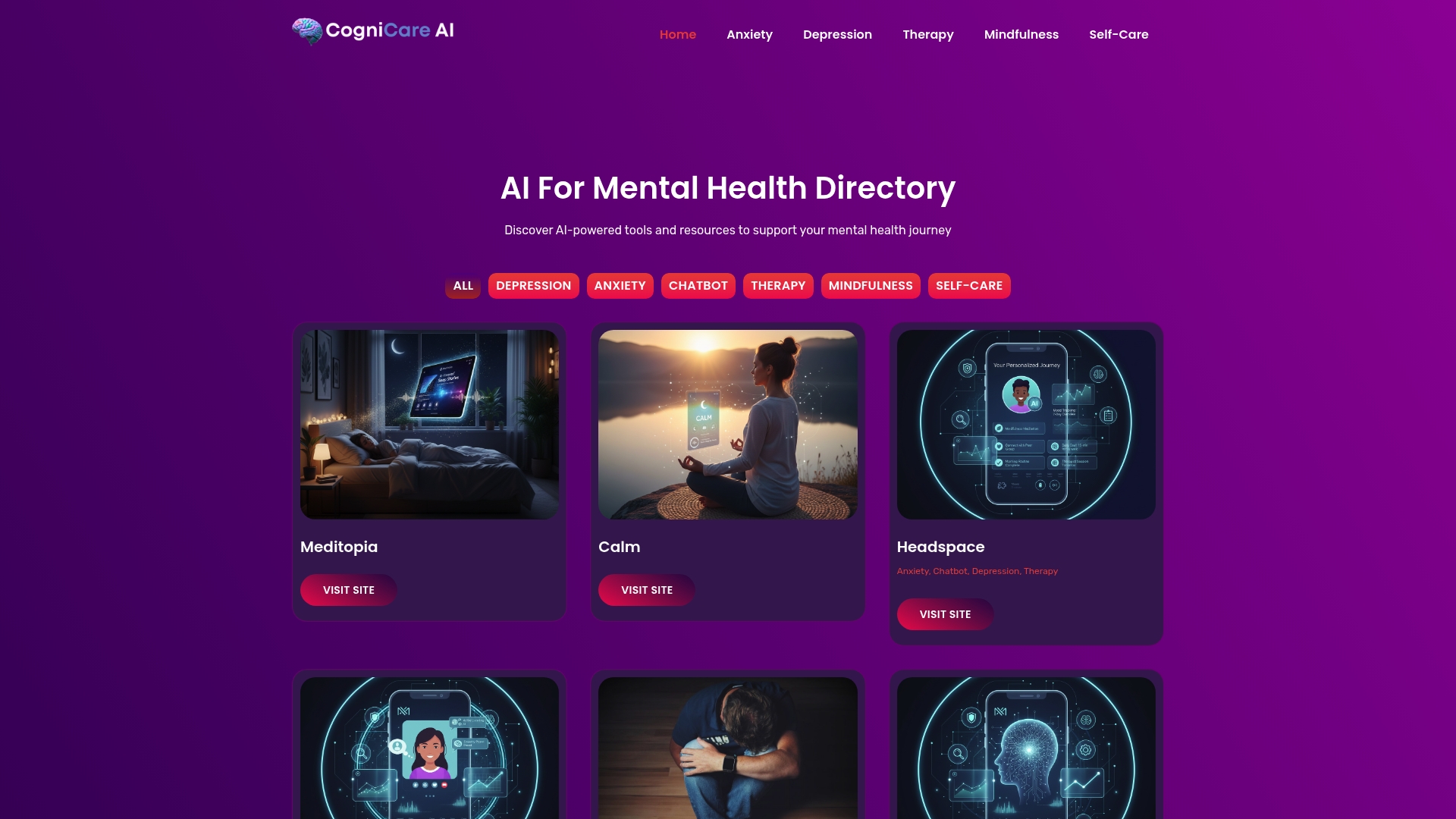
Cognicareai is a directory of AI-powered mental health tools built for people managing depression, anxiety, and related conditions. The platform connects you with AI-powered mental health tools that complement physical treatments like light therapy, including mindfulness apps, AI-guided self-care programs, and specialized therapy applications. Each resource is selected to fit individual needs rather than offer a one-size approach. If you are building a depression management plan that goes beyond a single treatment, Cognicareai gives you a structured place to find what fits your situation.
FAQ
What is the standard light therapy protocol for depression?
The standard protocol is 10,000 lux for 30 minutes each morning, ideally within one hour of waking. Most people see measurable symptom improvement within 2–4 weeks of consistent daily use.
Does light therapy work for non-seasonal depression?
Yes. Clinical trials confirm light therapy reduces symptoms in non-seasonal major depression, particularly fatigue, anhedonia, and sleep disturbance. Effect sizes are small to moderate, and results are strongest when used alongside other treatments.
What are the side effects of light therapy?
The most common side effects are headaches and eye strain. Both are mild and typically resolve by starting with shorter 15-minute sessions and gradually increasing to the full 30 minutes.
How is bright light therapy different from red-light therapy?
Bright light therapy uses white or blue-spectrum light at 10,000 lux to reset circadian rhythms. Red-light therapy targets different biological processes and has no established antidepressant effect. Only bright light therapy is clinically validated for depression.
When should I use a light box for the best results?
Morning use is most effective. Morning light advances the circadian phase, which directly improves anhedonia and mood regulation. Evening use can delay the circadian clock and worsen sleep, which counteracts the treatment’s benefits.