
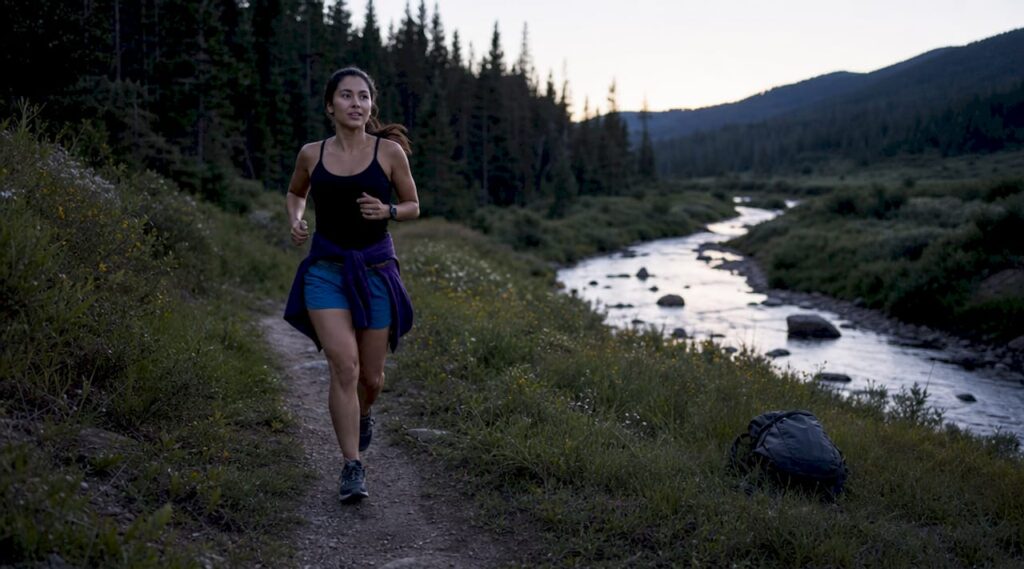
Exercise is one of the most clinically supported anxiety reduction techniques available, with regular vigorous activity cutting the risk of developing an anxiety disorder by approximately 25%. The Anxiety and Depression Association of America (ADAA) and the Mayo Clinic both recognize physical activity as a frontline strategy for managing anxiety symptoms. Recent 2026 meta-analyses confirm that the role of exercise in reducing anxiety operates through multiple pathways: neurotransmitter release, neuroplasticity, and stress hormone regulation. Whether you prefer yoga, resistance training, or a brisk walk, the evidence is clear that consistent movement produces measurable, lasting relief.
What does the science say about exercise and anxiety relief?
The most rigorous evidence to date comes from a meta-analysis of 63 studies covering 79,551 participants, which found that exercise reduces anxiety with a standardized mean difference (SMD) of -0.47. An SMD of -0.47 is a clinically meaningful effect, comparable to the benefit seen with first-line psychological interventions for mild-to-moderate anxiety. Crucially, the analysis found that shorter-duration, lower-intensity sessions produced the strongest effects. This challenges the common assumption that harder workouts deliver better mental health outcomes.
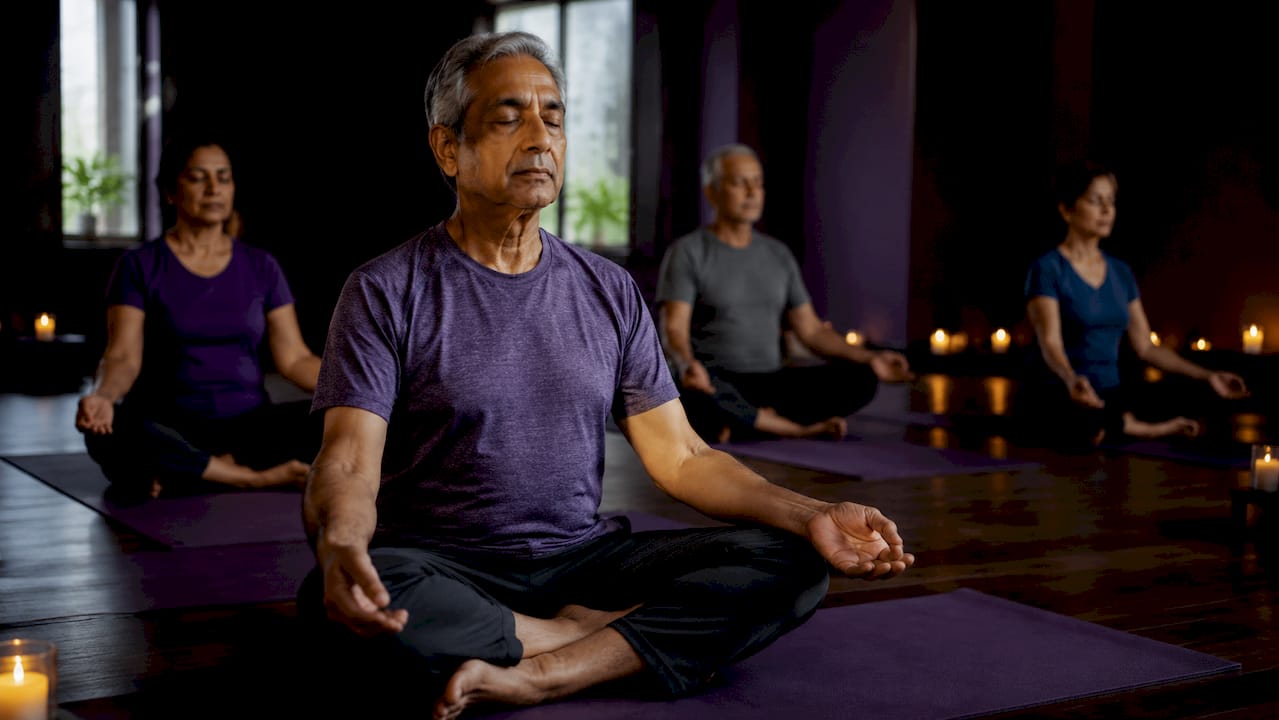
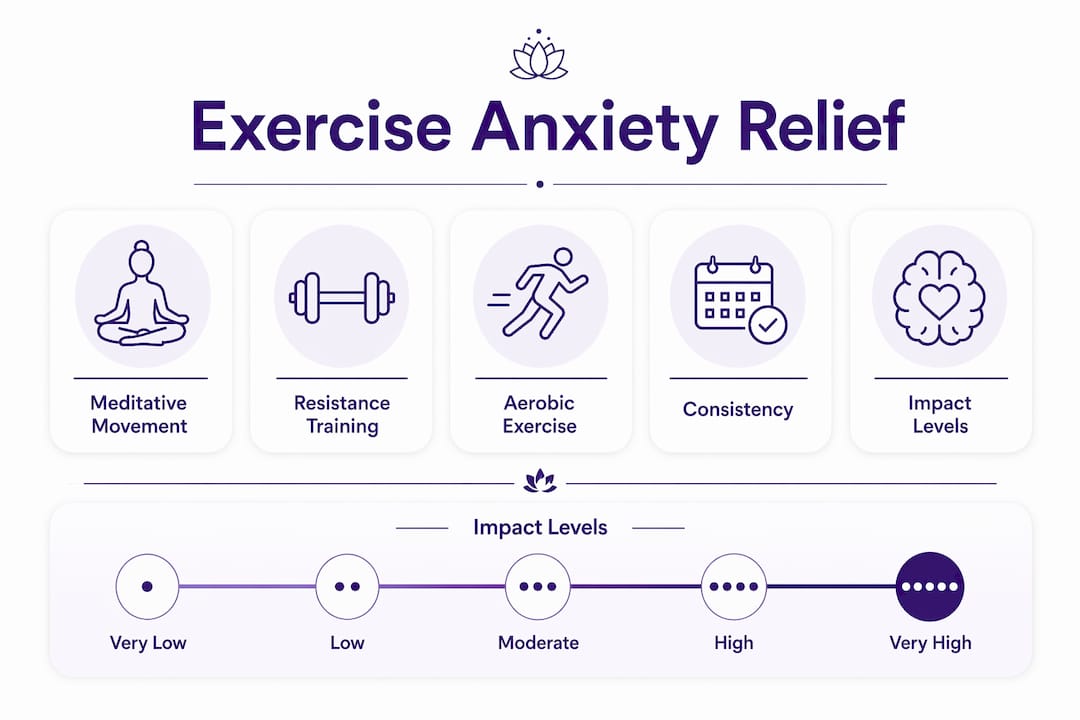
Not all exercise types perform equally. A network meta-analysis published in 2026 found that mind-body exercises like yoga and tai chi achieved an SMD of -0.84 for anxiety symptoms, while resistance training reached -0.79. Both modalities outperformed aerobic exercise alone in head-to-head comparisons, with SUCRA scores near 78%. These numbers matter because they give you a clear hierarchy to work from when choosing a routine.
Anti-anxiety effects from aerobic exercise can begin within 5 minutes of starting a session, with mood benefits lasting several hours afterward. A 12-week intermittent intense exercise program has been shown to reduce panic attack frequency and severity, with benefits sustained at the 24-week follow-up. This means exercise is not just a short-term mood fix. It produces durable neurological change.
Pro Tip: If you are new to exercise for anxiety, start with a 15-minute walk or a beginner yoga session. Research confirms that low-intensity, short-duration activity delivers strong anxiety relief, so there is no need to push hard to see results.
| Exercise type | Typical session | Intensity | Anxiety impact (SMD) |
|---|---|---|---|
| Mind-body (yoga, tai chi) | 45-60 min | Low to moderate | -0.84 |
| Resistance training | 30-45 min | Moderate | -0.79 |
| Aerobic (running, cycling) | 20-40 min | Moderate to high | -0.47 |
| Low-intensity walking | 15-30 min | Low | Strong for acute relief |
How does exercise biologically reduce anxiety symptoms?
Exercise works on anxiety through several distinct biological pathways, not just by releasing endorphins. Understanding these mechanisms gives you a reason to stay consistent even when motivation is low.
The key mechanisms include:
- Neurotransmitter modulation. Exercise increases serotonin, dopamine, and norepinephrine levels in the brain. These are the same neurotransmitters targeted by common anxiety medications, which explains why the ADAA describes exercise as working as effectively as medication for mild-to-moderate symptoms.
- Neuroplasticity and prefrontal strengthening. Exercise training strengthens the prefrontal cortex’s ability to regulate the amygdala, the brain’s fear center. A stronger prefrontal cortex means your brain gets better at interrupting anxious thought spirals before they escalate. Cognicareai covers this mechanism in depth in its article on rewiring anxious brains.
- Cross-stressor adaptation. Exercise acts as a controlled stressor that teaches the nervous system to down-regulate the HPA axis and sympathetic nervous system. Over time, your body becomes less reactive to everyday stressors because it has already practiced recovering from physical challenge.
- Interoceptive exposure. For people with panic disorder, brief intermittent intense exercise mimics the physical sensations of a panic attack, such as a racing heart and shortness of breath, in a safe, controlled context. Repeated exposure habituates the nervous system to these sensations, reducing catastrophic interpretation.
- Cognitive window effect. The acute mood elevation from exercise creates a period of increased neuroplasticity and reward sensitivity. This window is ideal for practicing cognitive reappraisal techniques, making therapy or mindfulness exercises more effective when timed after physical activity.
“Viewing exercise as a controllable stress challenge strengthens neural circuits regulating anxiety, not just releasing chemicals, facilitating lasting anxiety symptom reduction.” — Frontiers in Neuroscience, 2026
The cross-stressor adaptation model is particularly important because it reframes exercise as training for your nervous system, not just your muscles. Every workout is a rehearsal for staying calm under pressure.
Which exercises work best for anxiety relief?
The best exercise for anxiety is the one you will actually do consistently. That said, research does identify meaningful differences between modalities depending on your age, anxiety type, and personal preferences.
Meditative movement (yoga, tai chi, qigong) produces the highest effect sizes in current research. A comparative meta-analysis found these modalities are especially effective for older adults and men. The combination of breath control, body awareness, and gentle movement addresses both the physical and cognitive dimensions of anxiety simultaneously. Yoga in particular has strong evidence for generalized anxiety disorder and social anxiety.
Resistance training is the standout finding of recent research. It outperforms aerobic exercise for anxiety reduction in most head-to-head comparisons, likely because it builds a sense of physical competence and self-efficacy alongside its neurochemical effects. Younger adults and women show the strongest response. Even two sessions per week of moderate weightlifting produce measurable anxiety reduction.
Aerobic exercise (running, cycling, swimming) remains highly effective and has the most research behind it. Its advantage is accessibility and the speed of its acute effects. You can feel calmer within 5 minutes of starting a run, making it a reliable tool for managing acute anxiety spikes.
Pro Tip: Combine modalities across the week. A Monday resistance session, a Wednesday yoga class, and a Friday walk covers multiple neurobiological pathways and prevents the boredom that kills long-term consistency.
| Modality | Best for | Frequency | Key benefit |
|---|---|---|---|
| Yoga / tai chi | Older adults, men, GAD | 2-3x/week | Breath regulation, body awareness |
| Resistance training | Younger adults, women | 2-3x/week | Self-efficacy, neurotransmitter boost |
| Aerobic (running, cycling) | Acute anxiety spikes | 3-5x/week | Fast-acting, accessible |
| Walking (low intensity) | Beginners, high anxiety | Daily | Habit formation, low barrier |
How to build a sustainable exercise routine for anxiety
Starting is the hardest part. Anxiety itself can make the idea of a new routine feel overwhelming, so the goal is to reduce friction to near zero at the beginning.
- Start smaller than you think you need to. A 10-minute walk counts. Research confirms that individualization and consistency predict long-term anxiety reduction more reliably than high intensity. Commit to something you cannot fail at for the first two weeks.
- Choose activities you genuinely enjoy. Dread is not a sustainable motivator. If you hate running, try swimming, dancing, or a beginner weightlifting program. Enjoyment drives adherence, and adherence drives results.
- Pair exercise with mindfulness. The cognitive window that opens after exercise makes it the ideal time to practice breathing techniques or cognitive reappraisal. Cognicareai’s guide on mindfulness for anxiety pairs well with a post-workout routine.
- Use progressive goal setting. Add five minutes or one extra session per week every two weeks. Small, visible progress builds the self-efficacy that reinforces the habit.
- Build social accountability. A workout partner, a group fitness class, or even a community app increases follow-through. Social connection itself has independent anxiety-reducing effects.
- Track your mood, not just your workouts. Noting how you feel before and after each session creates concrete evidence that exercise works for you specifically. This evidence becomes motivating when anxiety makes you want to skip a session.
- Watch for overexertion. Excessive high-intensity training without adequate recovery can spike cortisol and worsen anxiety. If you feel more anxious after workouts rather than less, reduce intensity and duration before adding volume.
Combining exercise with other anxiety coping strategies such as therapy, structured breathing, and sleep hygiene produces better outcomes than exercise alone. Exercise is a powerful tool. It works best as part of a broader plan.
Key takeaways
Exercise reduces anxiety through neurobiological mechanisms including neuroplasticity, neurotransmitter modulation, and cross-stressor adaptation, making consistency and enjoyment more important than intensity for long-term relief.
| Point | Details |
|---|---|
| Exercise cuts anxiety risk | Regular vigorous activity reduces anxiety disorder risk by approximately 25%. |
| Mind-body and resistance training lead | Yoga, tai chi, and weightlifting show the highest effect sizes for anxiety reduction. |
| Benefits start fast | Anti-anxiety effects from aerobic exercise begin within 5 minutes of a session. |
| Consistency beats intensity | Short, low-intensity sessions produce stronger anxiety relief than hard workouts. |
| Combine with other strategies | Pairing exercise with mindfulness or therapy amplifies and sustains anxiety reduction. |
Why I think we underestimate exercise as a clinical tool
Most people treat exercise as a lifestyle bonus, something nice to do when life is already manageable. That framing is exactly backward. The neurobiological evidence from 2026 research makes it clear that exercise is not a supplement to anxiety treatment. For mild-to-moderate anxiety, it is a treatment.
What I find most underappreciated is the cross-stressor adaptation mechanism. When you push through a hard set of squats or finish a run when your lungs are burning, you are not just building physical fitness. You are teaching your nervous system that discomfort is survivable and temporary. That lesson transfers directly to anxiety. The person who exercises regularly is not calmer because they have fewer problems. They are calmer because their nervous system has been trained to recover faster.
The other thing I would push back on is the idea that you need a structured program to benefit. The research on short, low-intensity sessions is genuinely liberating. A 15-minute walk produces real neurochemical change. The barrier to entry is lower than almost any other evidence-based anxiety intervention.
The honest challenge is that anxiety itself makes starting hard. Fatigue, avoidance, and low motivation are symptoms of the condition you are trying to treat. My advice is to treat the first two weeks as a pure experiment with no performance expectations. Walk around the block. Do ten minutes of YouTube yoga. The goal is to generate enough data from your own experience to believe the research. Once you feel the post-exercise calm even once, the motivation to repeat it becomes self-sustaining.
— dushyantha
Take your anxiety management further with Cognicareai
Exercise is one of the most powerful tools you have for managing anxiety. Pairing it with the right digital support can make the difference between a habit that sticks and one that fades.
Cognicareai is a directory of AI-powered mental health tools designed to complement evidence-based strategies like exercise. From mood-tracking apps to AI chatbots that adapt to your anxiety patterns, the platform connects you with resources that fit your specific needs. Explore the AI mental health tools guide to find personalized support that works alongside your exercise routine, or browse the top AI chatbot apps for 2026 to find a digital companion that keeps you accountable and motivated between sessions.
FAQ
How quickly does exercise reduce anxiety symptoms?
Anti-anxiety effects from aerobic exercise can begin within 5 minutes of starting a session. A structured 12-week program produces sustained reductions in panic attack frequency and severity, with benefits lasting to the 24-week mark.
What type of exercise is most effective for anxiety?
Mind-body exercises like yoga and tai chi show the highest effect sizes (SMD -0.84), followed closely by resistance training (SMD -0.79). The best choice depends on your age, anxiety type, and personal preference.
Can exercise replace medication for anxiety?
The ADAA states that exercise works as effectively as medication for mild-to-moderate anxiety symptoms, with effects lasting several hours per session. For moderate-to-severe anxiety disorders, exercise is best used as an adjunct to professional treatment rather than a replacement.
How much exercise do I need to reduce anxiety?
Research shows that even short, low-intensity sessions produce strong anxiety relief. Consistency matters more than duration or intensity. Starting with three sessions per week of 15 to 30 minutes is a clinically supported starting point.
Does exercise help with panic disorder specifically?
Yes. Brief intermittent intense exercise functions as interoceptive exposure for panic disorder, habituating the nervous system to feared physical sensations like a racing heart. A randomized controlled trial showed better outcomes than relaxation training, sustained at 24 weeks.