
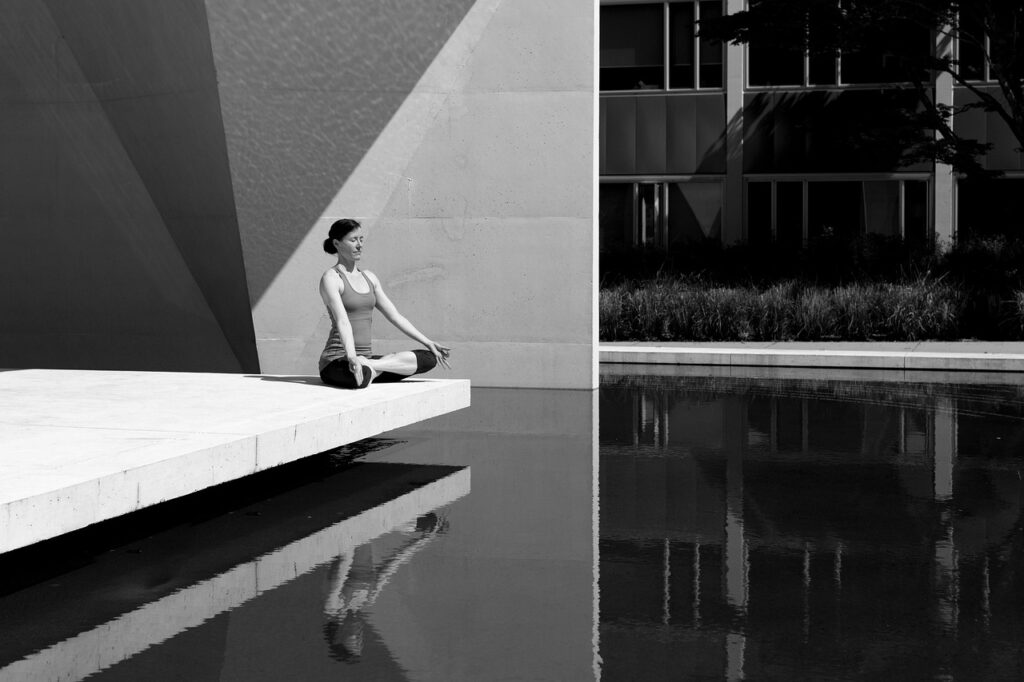
In our fast-paced modern world, stress has become an almost constant companion. Whether it stems from demanding professional responsibilities, personal challenges, or the overwhelming influx of digital information, finding ways to regain your composure is essential for long-term health. Learning effective calming techniques is not just about momentary relief; it is about building emotional resilience. By incorporating science-backed strategies into your daily routine, you can navigate life’s inevitable pressures with greater clarity, focus, and peace of mind.
## Breathwork and Physiological Regulation
One of the fastest ways to hack your nervous system is through controlled breathing. When you are stressed, your body shifts into “fight or flight” mode, characterized by rapid, shallow breaths. By consciously slowing your respiration, you send a signal to your brain that you are safe, triggering the parasympathetic nervous system.
### The 4-7-8 Breathing Technique
Developed by Dr. Andrew Weil, this method acts as a natural tranquilizer for the nervous system. Follow these steps to practice it effectively:
- Inhale quietly through your nose for a count of 4 seconds.
- Hold your breath for a count of 7 seconds.
- Exhale completely through your mouth, making a whoosh sound, for a count of 8 seconds.
### Box Breathing for Focus
Used by Navy SEALs to maintain composure under extreme pressure, box breathing is excellent for high-stress work environments. Simply inhale for 4, hold for 4, exhale for 4, and hold empty for 4. This rhythm keeps the mind anchored and the heart rate steady.
## Grounding Techniques for Anxiety
Grounding techniques are essential for pulling your mind away from anxious thoughts and back into the present moment. These methods are particularly useful when you feel “stuck in your head” or overwhelmed by spiraling worries.
### The 5-4-3-2-1 Method
This sensory exercise forces your brain to engage with your immediate surroundings. Identify the following:
- 5 things you can see (e.g., a pen, a cloud, a plant).
- 4 things you can touch (e.g., the fabric of your chair, your skin, a cool surface).
- 3 things you can hear (e.g., distant traffic, humming of a computer, birds).
- 2 things you can smell (e.g., coffee, fresh air, perfume).
- 1 thing you can taste (e.g., a mint, lingering toothpaste, or just your tongue).
### Physical Grounding
Sometimes the best way to calm down is to connect physically with your environment. Take off your shoes and feel the floor, splash cold water on your face, or hold an ice cube. The sudden temperature shift or tactile sensation acts as a “circuit breaker” for emotional distress.
## The Power of Mindfulness and Meditation
Mindfulness is the practice of observing your thoughts without judgment. Research published by JAMA Internal Medicine suggests that mindfulness meditation can provide as much relief for anxiety and depression as some antidepressant medications, highlighting its efficacy as a therapeutic tool.
### Simple Body Scan Meditation
A body scan helps you release physical tension that you may not even realize you are carrying. Start at your toes and slowly move your focus upward to your head. As you focus on each muscle group, consciously release any tightness. This practice is incredibly effective before sleep.
### Incorporating Micro-Meditations
You don’t need an hour to meditate. A 60-second “mindful pause” between meetings can lower cortisol levels. Close your eyes, focus solely on the sensation of air moving through your nostrils, and acknowledge that you are in control of your response to the day.
## Cognitive Reframing and Journaling
Often, our stress is caused not by events themselves, but by our interpretation of those events. Cognitive reframing allows you to view a situation through a more balanced, less catastrophic lens.
### The “Best Friend” Perspective
When you find yourself ruminating on a mistake, ask: “Would I say this to a friend in the same situation?” Usually, the answer is no. Offering yourself the same compassion you offer others is a cornerstone of emotional regulation.
### Brain Dumping
If your mind is racing with tasks or anxieties, write them all down. Putting thoughts on paper creates “cognitive offloading,” allowing your brain to stop holding onto the information as a perceived threat. Once it is written down, your mind feels permitted to let it go until a later time.
## Lifestyle Factors Supporting Calm
No amount of breathing exercises can compensate for a baseline of exhaustion or poor nutrition. Long-term calm is built on a foundation of healthy daily habits.
### Sleep Hygiene
Sleep deprivation impairs the brain’s ability to regulate emotions. Aim for 7–9 hours of quality sleep by keeping your bedroom cool, dark, and free from blue light-emitting devices at least an hour before bed.
### Movement as Medicine
Physical activity is a potent stress-reliever. It burns off excess adrenaline and stimulates the production of endorphins. Even a brisk 15-minute walk can significantly alter your mood and perspective. Activities like yoga or Tai Chi are particularly effective because they combine physical movement with breath control.
## Conclusion
Mastering the art of calming yourself is a journey, not a destination. You do not need to be perfect; you only need to be consistent. By practicing breathwork, grounding, mindfulness, and healthy lifestyle habits, you build a toolkit that serves you during life’s most challenging moments. Remember, the ability to find peace is already within you—it simply requires the discipline to pause, breathe, and intentionally choose a calmer state of being. Start small, stay patient with yourself, and observe how your overall wellbeing transforms over time.