

Immediate depression relief techniques are practical actions and exercises designed to quickly reduce symptoms and improve mood by shifting your mental and physical state. These methods are not a replacement for professional care, but they give you something real to do when symptoms hit hard. Research confirms that single-session digital interventions like interactive cognitive reappraisal can cut depressive symptoms by up to 50% over eight weeks. Behavioral activation, grounding techniques, and micro-movements are the three categories of evidence-based approaches that deliver the fastest results. Knowing which tool to reach for, and when, makes all the difference.
What are the most effective immediate depression relief techniques?
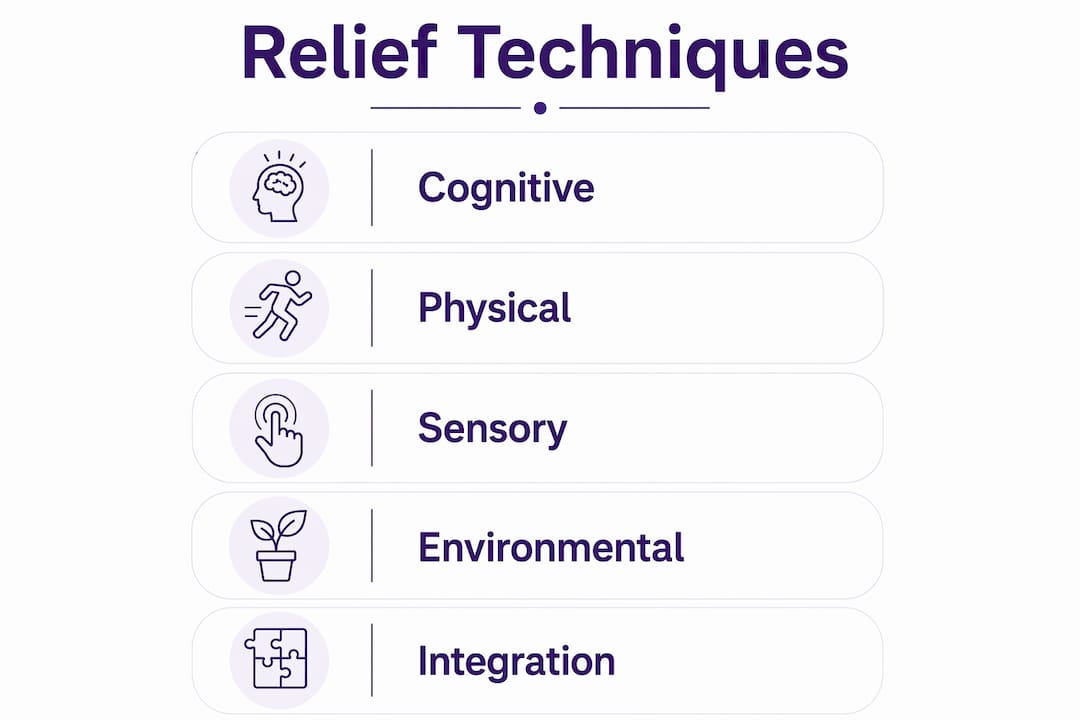
The most effective quick depression relief methods fall into three categories: cognitive, physical, and sensory. Each works through a different mechanism, so combining them produces stronger results than relying on one alone.
Cognitive reappraisal and digital interventions
Interactive cognitive reappraisal is the process of consciously reframing a negative thought into a more neutral or realistic one. 10-minute digital programs built around this technique show approximately 4% greater symptom reduction versus control groups after one month. That number compounds quickly. The same research shows symptom reductions of up to 50% over eight weeks with consistent use. You do not need a therapist present to practice this. A simple written exercise, such as writing down a distressing thought and then listing three alternative explanations, produces measurable relief.
Physical activity as an instant mood enhancer
Moderate aerobic exercise produces effects comparable to antidepressants for mild-to-moderate depression. A 15-minute brisk walk is enough to trigger serotonin and endorphin release, stabilizing mood for hours afterward. Three sessions per week is the minimum threshold for sustained benefit. Stretching and light movement count when a full walk is not possible. The key is starting, not finishing.

The 5-4-3-2-1 sensory grounding method
The 5-4-3-2-1 method is one of the most reliable ways to relieve depression fast when negative thoughts spiral. You name 5 things you can see, 4 you can touch, 3 you can hear, 2 you can smell, and 1 you can taste. Grounding techniques interrupt rumination by forcing the brain to engage with present-moment sensory input instead of depressive thought loops. This technique requires no equipment and works in any setting.
Here is a step-by-step version you can use right now:
- Sit or stand in a stable position.
- Name 5 objects you can see in the room.
- Touch 4 surfaces and notice their texture.
- Listen for 3 distinct sounds around you.
- Identify 2 scents in your environment.
- Notice 1 taste in your mouth.
Pro Tip: Set a phone reminder to run through the 5-4-3-2-1 method at the same time each day. Consistent practice builds the habit so it becomes automatic when symptoms are worst.
Environmental adjustments that support mood
Natural sunlight exposure for at least 15 minutes daily stimulates serotonin production and regulates circadian rhythms. Even sitting near a window counts when going outside is not possible. Opening a window, adjusting lighting, or stepping onto a balcony for a few minutes are all valid options. These small environmental shifts reset the nervous system and reduce the flat, heavy feeling that depression creates.
How to structure your relief efforts for lasting benefit
The biggest mistake people make with coping strategies for depression is waiting until they feel ready. Motivation follows action, not the other way around. Behavioral activation, a clinically validated approach, is built entirely on this principle. You act first, and the mood improvement comes after.
Structuring your relief efforts effectively means treating self-care like a scheduled appointment rather than an optional activity. Here is how to build that structure without burning out:
- Start with micro-movements. Micro-movements are tiny actions like opening a window, washing a single dish, or stepping outside for 60 seconds. They create behavioral momentum without requiring energy you do not have.
- Schedule three non-negotiable sessions per week. Treat them as prescribed medicine. A flexible 3-day plan accommodates symptom fluctuation without creating guilt when you miss a day.
- Avoid all-or-nothing thinking. Doing 5 minutes of a technique counts. Stopping early is not failure. Partial completion still produces benefit.
- Use environmental priming. Keep low-effort tools within reach. A journal on the nightstand, a playlist on your phone, or a textured object in your pocket all reduce the friction of starting when energy is low.
- Align activity with your best time of day. Most people with depression have a slightly better window in the late morning or early afternoon. Schedule your most demanding relief activities then.
Pro Tip: Write your three weekly sessions into your calendar as recurring events. Label them with a specific technique, not just “self-care.” Specificity increases follow-through.
Which quick depression relief methods work anytime, anywhere?
Portable techniques are the backbone of any real-world depression management plan. These methods require no equipment, no preparation, and no privacy.
The 5-4-3-2-1 grounding method described above is the most versatile. Physical grounding techniques are equally accessible:
- Cold water splash. Splashing cold water on your face activates the dive reflex, slowing heart rate and interrupting anxiety or low mood within seconds.
- Feet on the floor. Press both feet firmly into the ground and notice the pressure. Physical grounding activates the parasympathetic nervous system and pulls attention away from negative cognitive loops.
- Textured object. Hold something with a strong texture, like a rough stone or a fabric swatch, and focus entirely on the sensation for 60 seconds.
- Box breathing. Inhale for 4 counts, hold for 4, exhale for 4, hold for 4. Repeat four times. This is one of the best techniques for anxiety relief that also works for low mood.
- Brief social connection. Send a single text to someone you trust. You do not need to explain how you feel. The act of reaching out interrupts isolation, which is one of the strongest drivers of worsening symptoms.
- Two-minute movement burst. Stand up, roll your shoulders, march in place, or do five slow squats. Short physical movement is a reliable instant mood enhancer that works even in an office or small space.
Pro Tip: Build a personal toolkit card. Write your three go-to techniques on a small card and keep it in your wallet. On the worst days, decision-making is hard. The card removes that barrier.
Pairing these with healthy coping mechanisms you already use creates a layered defense against acute symptom spikes.
How does lifestyle integration support longer-term depression management?
Immediate relief techniques work best when they are embedded into a consistent daily structure. Rapid relief from sadness is real, but sustained mood improvement requires repetition and routine.
Structured daily routines and consistent sleep-wake times produce specific antidepressant effects by restoring disrupted circadian rhythms. Depression reliably disrupts sleep architecture, and irregular schedules make that worse. Waking at the same time every day, even on weekends, is one of the highest-leverage habits you can build.
The following lifestyle practices reinforce the benefits of immediate relief techniques over time:
- Regular moderate aerobic exercise at least three times per week sustains serotonin and endorphin production between acute relief sessions.
- Morning light exposure within 30 minutes of waking strengthens circadian regulation and improves both mood and sleep quality.
- Gradual behavioral activation uses immediate techniques as entry points into larger activities, such as a short walk becoming a regular routine, then a social walk with a friend.
- Self-monitoring through a simple daily mood log helps you identify which techniques work best for you and when symptoms are trending upward.
- Professional treatment as the foundation. Self-care strategies complement but do not replace therapy or medication for moderate-to-severe depression. Use these techniques alongside professional support, not instead of it.
The goal is to use each immediate technique as a stepping stone. A micro-movement becomes a walk. A walk becomes a routine. A routine becomes resilience. The depression self-care strategies that stick are the ones built gradually, not all at once.
Key Takeaways
Immediate depression relief techniques work because they interrupt negative thought cycles and activate the body’s mood-regulating systems through specific, repeatable actions.
| Point | Details |
|---|---|
| Act before motivation arrives | Behavioral activation proves mood improves after action, not before it starts. |
| Use grounding for fast relief | The 5-4-3-2-1 sensory method interrupts rumination and works in any setting. |
| Start with micro-movements | Tiny actions like opening a window build momentum without requiring high energy. |
| Build routine for lasting benefit | Consistent sleep-wake times and morning light restore circadian rhythms disrupted by depression. |
| Pair self-help with professional care | Immediate techniques complement therapy and medication but do not replace them for moderate-to-severe depression. |
What I have learned from watching people fight depression one small step at a time
The hardest thing about depression is not the sadness. It is the paralysis. People wait for a day when they feel ready to try something, and that day does not come. What I have seen work, consistently, is the opposite approach: doing the smallest possible thing first, without waiting for permission from your own mood.
The micro-movement concept changed how I think about this entirely. Washing one dish is not a productivity hack. It is a neurological interrupt. It tells your nervous system that movement is possible, and that signal matters more than the dish. Environmental priming follows the same logic. If your journal is buried in a drawer, you will not use it on a bad day. If it is on your nightstand, you might write one sentence. One sentence is enough.
The other thing I want to say plainly: these techniques are real tools, not consolation prizes. The research on behavioral activation and grounding is solid. But they work best when a therapist or doctor is also in the picture. Self-help without professional support is like patching a roof in a storm. It buys time. It matters. And it is not the whole solution.
Persistence with these methods despite initial difficulty is not stubbornness. It is the actual treatment.
— dushyantha
AI-powered tools that support your mental health between sessions
Cognicareai brings together a curated directory of AI-powered mental health tools designed to support people dealing with depression and anxiety. These tools offer personalized resources, including mindfulness apps, therapy chatbots, and self-care programs, that adapt to where you are on any given day.

The AI mental health tools guide for 2026 on Cognicareai covers the most effective options available right now, from apps that guide you through grounding exercises to therapy chatbots that provide immediate conversational support between professional appointments. These tools are built for accessibility, meaning they are available at 2:00 AM when symptoms peak and your therapist is not reachable. Cognicareai makes finding the right tool straightforward, without requiring you to sort through hundreds of options alone.
FAQ
What are immediate depression relief techniques?
Immediate depression relief techniques are specific actions, such as grounding exercises, micro-movements, and cognitive reappraisal, designed to reduce depressive symptoms quickly. They work by interrupting negative thought cycles and activating the body’s mood-regulating systems.
How fast do grounding techniques work for depression?
Grounding techniques like the 5-4-3-2-1 method can produce relief within minutes by redirecting attention from depressive thought spirals to present-moment sensory input. Consistent practice makes the technique more effective over time.
Can exercise really help depression immediately?
A single 15-minute brisk walk triggers serotonin and endorphin release, stabilizing mood for hours after the activity ends. Research supports moderate aerobic exercise as comparable to antidepressants for mild-to-moderate depression when practiced at least three times per week.
Should I use these techniques instead of therapy?
No. Immediate relief techniques are most effective as a complement to professional therapy and medication, particularly for moderate-to-severe depression. They provide real symptom relief but do not address the underlying causes that clinical treatment targets.
What is the easiest technique to start with today?
Micro-movements are the lowest-barrier starting point. Opening a window, stepping outside for 60 seconds, or washing a single dish are all valid first steps that create behavioral momentum without requiring energy or motivation you may not have right now.