
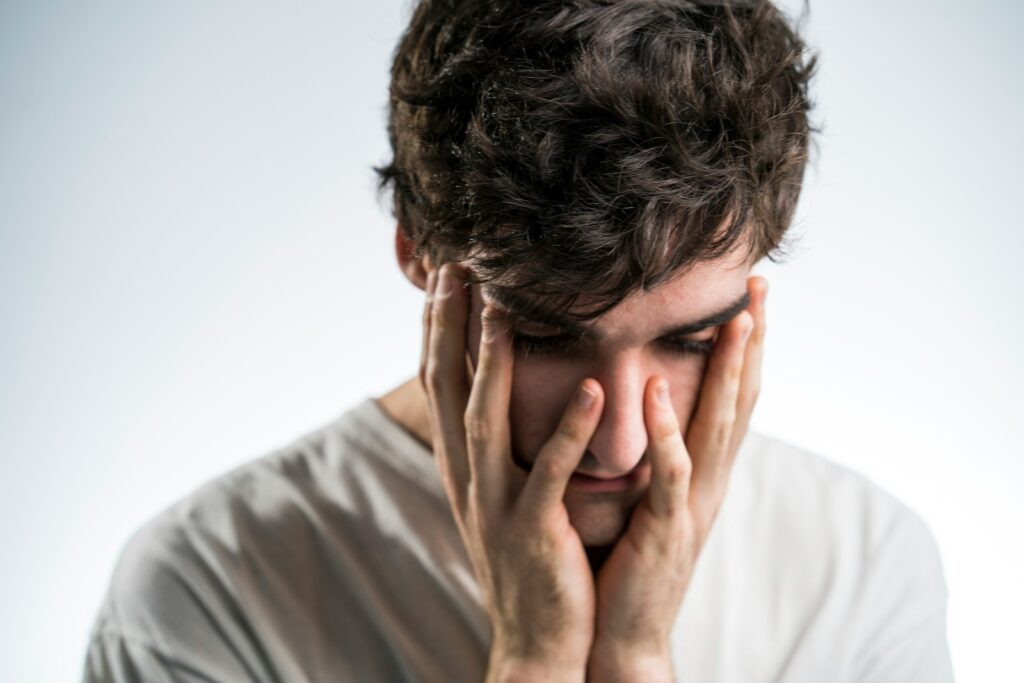
If you’re searching for how to deal with panic attacks, chances are you’ve felt that sudden rush of fear, tight chest, racing heart, or the scary feeling that something terrible is about to happen. Panic attacks often arrive without warning, and for beginners, they can feel confusing, overwhelming, and even life-threatening.
I still remember the first panic attack I experienced. It happened in a crowded place, with no clear reason. My hands were shaking, my breathing felt wrong, and I honestly thought I was losing control. Later, I learned something important: panic attacks are intense, but they are not dangerous.
This guide is written for beginners who want clear, human, practical help—not medical jargon. You’ll learn how panic attacks work, how to recognize anxiety symptoms early, and what actually helps in the moment and long-term.
Section 1: What Panic Attacks Really Are (And What They Are Not)
A panic attack is a sudden surge of intense fear or discomfort that peaks within minutes. It’s your body’s fight-or-flight system activating when there is no real danger.
Common Myths vs. Reality
MythReality “I’m having a heart attack.” Panic attacks mimic heart symptoms but are not heart attacks. “I’m going crazy.” Panic attacks do not cause mental breakdowns. “I’ll faint.” Fainting during a panic attack is extremely rare. “This will never end.” Panic attacks always peak and pass.
Understanding this alone can reduce fear by half.
Section 2: Recognizing Anxiety Symptoms Before a Panic Attack Starts
One of the most powerful skills you can learn is early detection.
Early Anxiety Warning Signs
- Subtle chest tightness
- Racing thoughts
- Feeling “on edge” or unreal
- Light dizziness
- Shallow breathing
- Sudden fear without reason
Your body usually whispers before it screams. Learning these signals allows you to act before panic takes over.
Personal insight:
Once I started noticing these early signs, panic attacks stopped feeling “random.” They became predictable—and manageable.
Section 3: Why Panic Attacks Feel So Intense
Panic attacks feel extreme because the brain releases stress hormones like adrenaline. This causes:
- Faster heart rate
- Rapid breathing
- Muscle tension
- Tunnel vision
- Heightened senses
Your brain believes you’re in danger, even though you’re safe.
Important truth:
👉 The body cannot stay in panic forever. Adrenaline burns out.
Section 4: What to Do During a Panic Attack (Step-by-Step)
When panic hits, your goal is not to stop it but to let it pass safely.
Step-by-Step Panic Response Plan
- Acknowledge it
Say quietly, “This is a panic attack. I am safe.” - Control your breathing
- Inhale through the nose for 4 seconds.
- Hold for 2 seconds
- Exhale slowly through the mouth for 6 seconds.
- Ground your body
Press your feet into the floor. Notice physical sensations. - Let symptoms exist
Fighting panic makes it stronger. Allow it to flow. - Stay where you are.
Escaping trains the brain to fear the situation again.
This method feels simple, but it’s powerful when practiced.
Section 5: Grounding Techniques That Actually Work
Grounding brings your mind back to the present moment.
The 5-4-3-2-1 Method
Name:
- 5 things you see
- 4 things you feel
- 3 things you hear
- 2 things you smell
- 1 thing you taste
Temperature Reset
Hold something cold or splash cool water on your face. It signals safety to the nervous system.
These tools are especially helpful in public places.
Section 6: After the Panic Attack Ends (Recovery Phase)
Many beginners feel exhausted, shaky, or emotional after panic.
This is normal.
What Helps Afterward
- Drink water
- Stretch gently
- Avoid self-criticism
- Rest if needed
Say this to yourself:
“My body protected me. It just overreacted.”
That mindset builds long-term recovery.
Section 7: Long-Term Strategies to Reduce Panic Attacks
Short-term tools help in the moment. Long-term strategies reduce frequency.
Proven Long-Term Habits
- Consistent sleep schedule
- Reduced caffeine and sugar
- Daily walking or light exercise
- Breathing practice (5 minutes daily)
- Limiting constant news and doom scrolling
Experience note:
When I reduced caffeine, panic attacks dropped significantly within weeks.
Section 8: Changing the Fear of Panic Itself
The real problem is often fear of fear.
Once you stop fearing panic attacks, they lose power.
Reframing Panic
Instead of:
- “This is dangerous.”
Try:
- “This is uncomfortable but temporary.”
This mindset shift takes practice but changes everything.
Section 9: When to Seek Professional Help
You should consider professional support if:
- Panic attacks happen frequently.
- You avoid places because of fear.
- Anxiety affects work or relationships.
- You feel stuck despite self-help.
Getting help is not a weakness. It’s skill-building.
Section 10: Living a Full Life With Anxiety (Yes, It’s Possible)
Many people wait for anxiety to disappear before living.
That day may never come.
The secret is living alongside anxiety without letting it control you.
I’ve traveled, spoken publicly, and handled stressful situations—all while anxiety existed in the background. It gets quieter when you stop fighting it.
Frequently Asked Questions (FAQ)
1. Can panic attacks cause physical harm?
No. Panic attacks feel intense but do not damage the heart or brain.
2. How long do panic attacks usually last?
Most peak within 10 minutes and fade within 20–30 minutes.
3. Should I avoid triggers completely?
Short-term avoidance can help, but long-term avoidance strengthens anxiety.
4. Can beginners learn to stop panic attacks?
You don’t stop them—you learn to let them pass, which reduces future attacks.
5. Is it normal to feel scared after the attack ends?
Yes. Emotional and physical fatigue is common afterward.
Conclusion: Key Takeaways to Remember
Panic attacks are frightening, but they are not dangerous. Learning how to deal with panic attacks starts with understanding your body, responding calmly, and building trust in yourself again.
You are not broken.
You are not weak.
You are learning a skill.
With patience and practice, panic loses its grip—and life opens up again.