
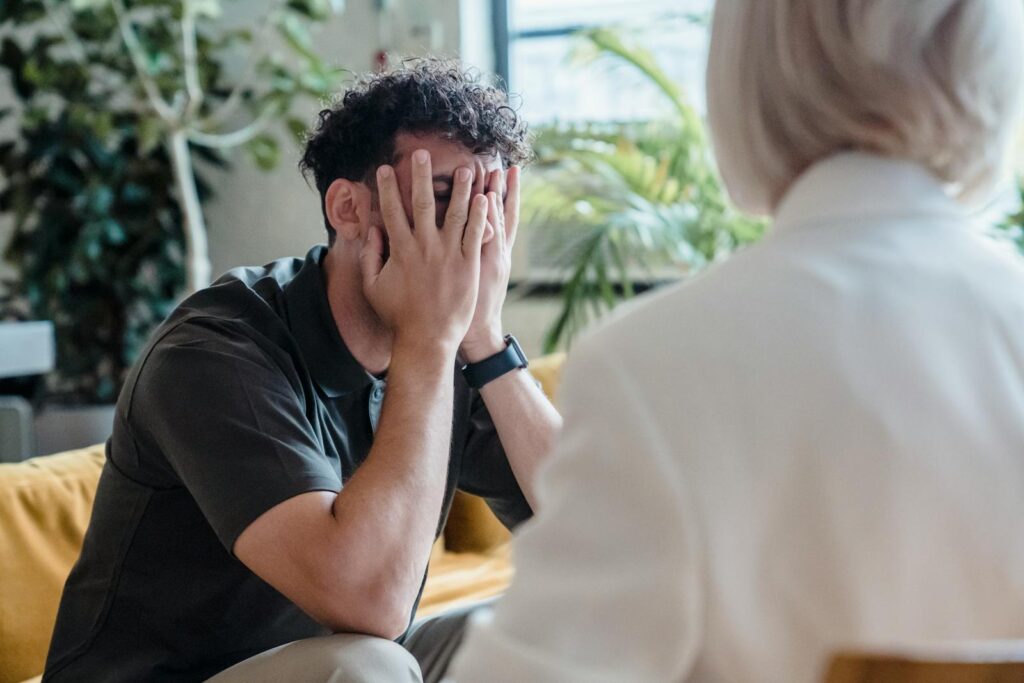
Why mental health awareness matters is no longer a quiet question—it’s a global conversation that touches families, workplaces, schools, and everyday life. Within the first moments of awareness, many people realize they’ve been struggling silently for years without words to describe it.
In 2025, mental health is no longer just about illness. It’s about emotional safety, resilience, understanding, and dignity. Yet stigma still keeps millions silent—afraid of judgment, rejection, or being labeled as weak. This article explores why mental health awareness truly matters, how stigma forms, how it harms, and what real people can do to break it—starting today.
This is not theory. This is lived reality.
Section 1: What Mental Health Awareness Really Means
Mental health awareness means understanding that mental well-being is just as important as physical health.
It means:
- Recognizing emotional struggles as real
- Accepting that anyone can experience mental health challenges
- Knowing help is not a weakness
Personal Perspective
Many people grow up believing emotions should be hidden. Awareness begins when we realize silence does not equal strength.
Section 2: Understanding Mental Health Stigma
Stigma is not always loud. Often, it’s subtle.
Common Forms of Stigma
- “Just be positive”
- “Others have it worse”
- “You don’t look depressed”
- “Mental health issues are personal failures”
These statements may sound harmless—but they dismiss real pain.
Why Stigma Is Dangerous
Stigma delays help, increases isolation, and deepens suffering.
Section 3: How Stigma Develops in Society
Stigma doesn’t appear overnight. It’s learned.
Sources of Stigma
- Cultural beliefs
- Family expectations
- Media portrayals
- Fear of the unknown
Real-Life Example
A child taught not to cry often grows into an adult afraid to ask for help.
Section 4: The Emotional Cost of Staying Silent
Silence carries weight.
People who hide mental health struggles often experience:
- Chronic stress
- Shame
- Emotional exhaustion
- Loneliness
Human Insight
Many people don’t fear the illness—they fear how others will react if they speak up.
Section 5: Why Mental Health Awareness Saves Lives
Awareness creates permission—to talk, to feel, to seek help.
What Awareness Changes
- Encourages early support
- Normalizes emotional conversations
- Reduces crisis escalation
Practical Example
Someone who understands anxiety symptoms is more likely to seek help before reaching burnout.
Section 6: Mental Health Awareness in Everyday Life
Awareness isn’t limited to campaigns or events. It lives in daily interactions.
Simple Awareness Actions
- Listening without judgment
- Asking “How are you really?”
- Respecting emotional boundaries
Personal Experience
Often, the most healing moment is being believed.
Section 7: Breaking the Stigma Starts with Language
Words shape beliefs.
Stigmatizing Language vs Supportive Language
Harmful LanguageSupportive Language“You’re overreacting”“That sounds overwhelming”“Just calm down”“I’m here with you”“It’s all in your head”“Your feelings matter”
Changing language changes outcomes.
Section 8: Mental Health Awareness at Work and School
Workplaces and schools influence emotional safety more than we realize.
Why It Matters
- Reduces burnout
- Improves focus and productivity
- Builds trust
Practical Steps
- Normalize mental health days
- Encourage open conversations
- Avoid glorifying exhaustion
Section 9: The Role of Community in Breaking Stigma
Healing rarely happens alone.
Community Support Looks Like
- Shared stories
- Peer understanding
- Emotional safety
Personal Insight
Knowing you’re not alone often brings more relief than advice.
Section 10: How Social Media Can Help—or Harm—Awareness
Social media amplifies voices—but also misinformation.
Positive Impact
- Shared experiences
- Reduced isolation
- Increased visibility
Negative Impact
- Comparison pressure
- Toxic positivity
- Oversimplification
Balanced Awareness
Mental health is not aesthetic. It’s complex, human, and deeply personal.
Section 11: Teaching Mental Health Awareness to Children
Children learn emotional habits early.
Healthy Lessons Include
- Naming emotions
- Validating feelings
- Teaching coping skills
Long-Term Impact
Children who understand emotions grow into emotionally resilient adults.
Section 12: Self-Awareness Is the Foundation of Awareness
Mental health awareness starts internally.
Self-Check Questions
- Am I suppressing emotions?
- Do I feel safe expressing myself?
- Do I rest without guilt?
Truth
Awareness is not about perfection—it’s about honesty.
Section 13: How to Support Someone Struggling Mentally
You don’t need perfect words.
What Helps Most
- Presence
- Listening
- Patience
What to Avoid
- Fixing
- Minimizing
- Judging
Sometimes, showing up is enough.
Section 14: Common Myths About Mental Health
Let’s break a few.
- Mental illness ≠ weakness
- Seeking help ≠ failure
- Strong people struggle too
Truth creates safety. Myths create fear.
Section 15: Mental Health Awareness in 2025 and Beyond
In 2025, awareness means:
- Trauma-informed conversations
- Emotional intelligence
- Preventive care
Mental health is no longer optional—it’s essential.
Frequently Asked Questions (FAQ)
1. Why is mental health awareness important today?
Because emotional struggles affect every part of life—relationships, work, health, and safety.
2. How does stigma affect mental health?
Stigma creates fear, silence, and delayed support, making recovery harder.
3. Can talking about mental health really help?
Yes. Conversation reduces isolation and encourages early help.
4. What’s the first step in breaking mental health stigma?
Listening without judgment and speaking with empathy.
5. Is mental health awareness only for people with disorders?
No. It’s for everyone—mental health exists on a spectrum.
Conclusion
Why mental health awareness matters comes down to one truth: people heal faster when they feel seen, heard, and accepted.
Breaking stigma doesn’t require grand gestures. It starts with everyday compassion, honest conversations, and the courage to acknowledge emotional reality.
Mental health awareness builds safer families, healthier communities, and stronger individuals. And it starts—with us.