
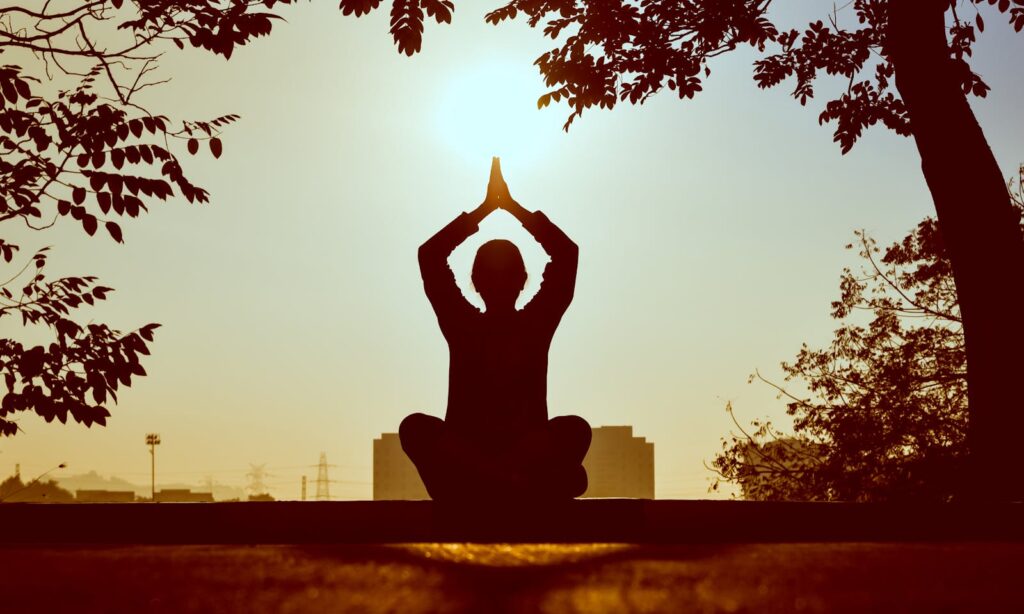
Mindfulness meditation for beginners often sounds intimidating — like something you need silence, perfect posture, or years of practice to do right. The truth is very different.
Within the first 100 words, let’s be clear: mindfulness meditation is not about stopping your thoughts. It’s about learning how to be present without fighting your own mind.
In 2025, anxiety, mental overload, and constant distraction are everywhere. Minds are tired. Focus is fragile. Many people feel restless even when nothing is “wrong.” Mindfulness meditation offers a grounded, practical way to reduce anxiety and improve focus — without changing who you are or escaping your real life.
This guide is built for beginners. Real people. Real struggles. Real results.
Section 1: What Mindfulness Meditation Really Means (In Simple Words)
Mindfulness meditation means paying attention — on purpose — to what’s happening right now, without judging it.
That’s it.
You’re not trying to relax.
You’re not trying to empty your mind.
You’re not trying to feel peaceful.
You’re simply noticing.
Why This Matters for Beginners
Most beginners quit because they think they’re “doing it wrong.” But wandering thoughts are not failure — they’re part of the practice.
Personal Insight
Many people realize, often for the first time, how noisy their mind actually is. That awareness alone can be life-changing.
Section 2: How Mindfulness Meditation Reduces Anxiety
Anxiety lives in the future.
Mindfulness lives in the present.
What Anxiety Does
- Replays worries
- Predicts danger
- Keeps the nervous system alert
What Mindfulness Does
- Slows mental spirals
- Calms the stress response
- Teaches your body it is safe
Real Experience
Beginners often notice anxiety doesn’t disappear — but it becomes less controlling. There’s space between the feeling and the reaction.
That space is powerful.
Section 3: How Mindfulness Meditation Improves Focus
Focus isn’t about forcing attention. It’s about gently returning to it.
Why Focus Feels Hard Today
- Constant notifications
- Multitasking
- Mental fatigue
- Overstimulation
What Mindfulness Trains
- Attention control
- Awareness of distraction
- Mental endurance
Practical Example
Each time you notice your mind wandering and bring it back, you’re strengthening focus — like a mental muscle.
Section 4: A Step-by-Step Mindfulness Meditation for Beginners
This is a 5-minute beginner practice.
Step 1: Choose a Comfortable Position
Sit or lie down. Comfort matters more than posture.
Step 2: Set a Short Time
Start with 3–5 minutes. Short sessions build consistency.
Step 3: Focus on Your Breath
Notice:
- Air entering your nose
- Chest rising
- Belly moving
Don’t change the breath. Just notice.
Step 4: Expect the Mind to Wander
When thoughts appear, gently return to the breath.
No judgment. No frustration.
Step 5: End Slowly
Before standing up, notice how you feel.
That’s it. That’s meditation.
Section 5: Common Beginner Mistakes (And Why They’re Normal)
Mistake 1: Trying to Stop Thoughts
Thoughts are not the enemy.
Mistake 2: Expecting Instant Calm
Mindfulness builds awareness first, calm later.
Mistake 3: Comparing Yourself to Others
Your experience is valid, even if it feels messy.
Human Truth
Every experienced meditator was once a distracted beginner.
Section 6: Mindfulness vs Traditional Relaxation Techniques
| Mindfulness Meditation | Relaxation Techniques |
|---|---|
| Observes discomfort | Tries to remove discomfort |
| Builds awareness | Aims for calm |
| Accepts thoughts | Avoids thoughts |
| Long-term mental clarity | Short-term relief |
Both have value. Mindfulness builds lasting emotional resilience.
Section 7: How Often Beginners Should Practice Mindfulness
Consistency matters more than duration.
Beginner-Friendly Routine
- 3–5 minutes daily
- Same time each day if possible
- No pressure to feel “good”
Personal Insight
Many people quit because they aim too high. Small, daily practice creates real change.
Section 8: Using Mindfulness in Daily Life (Not Just Sitting Still)
Mindfulness is not limited to meditation.
Everyday Mindfulness Examples
- Eating without scrolling
- Walking while noticing your steps
- Listening without interrupting
- Pausing before reacting
Why This Reduces Anxiety
Life becomes less rushed, less reactive, more grounded.
Section 9: Emotional Experiences Beginners Often Notice
Mindfulness can bring up emotions you’ve ignored.
Common Experiences
- Restlessness
- Sadness
- Relief
- Unexpected calm
Important Reminder
Nothing is wrong with you. Awareness reveals what was already there.
Many people feel lighter simply because they stop resisting their emotions.
Section 10: When Mindfulness Feels Difficult (And What to Do)
Some days mindfulness feels uncomfortable.
That’s normal.
What Helps
- Shorter sessions
- Guided focus (breath or body)
- Self-compassion
- Skipping a day without guilt
Key Insight
Mindfulness is about honesty, not performance.
FAQs
1. How long does it take to see results from mindfulness meditation?
Some people notice changes within days; others need weeks. Benefits grow with consistency.
2. Can mindfulness meditation help with anxiety and overthinking?
Yes. It helps reduce reactivity and creates space between thoughts and emotions.
3. Is mindfulness meditation religious?
No. It’s a mental skill focused on awareness, not belief.
4. What if I feel more anxious while meditating?
This can happen initially. Awareness increases before calm. Go slowly and gently.
5. Can beginners practice mindfulness without guidance?
Yes. Simple breath awareness is enough to start.
Conclusion
Mindfulness meditation for beginners is not about becoming someone else. It’s about becoming more present with who you already are.
By learning to notice your breath, thoughts, and emotions without judgment, you reduce anxiety, strengthen focus, and build emotional balance — one small moment at a time.
You don’t need perfection.
You don’t need silence.
You just need willingness.
Start small. Stay human. Keep going.