
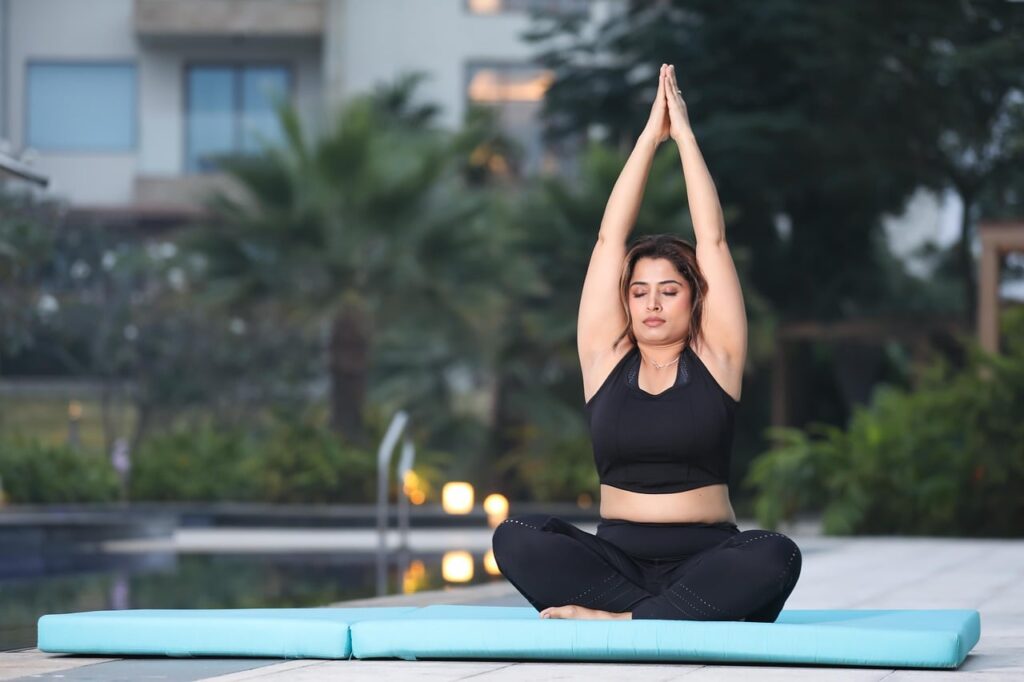
In our fast-paced modern world, stress and anxiety have become unwelcome companions for many. Whether it is the pressure of meeting a tight deadline at work, navigating complex personal relationships, or simply dealing with the information overload of the digital age, our nervous systems are often pushed to their limits. Finding effective calming techniques is no longer just a luxury; it is a fundamental pillar of mental hygiene and long-term health. By integrating simple, evidence-based practices into your daily routine, you can regain control, lower your cortisol levels, and cultivate a sense of inner peace that remains steady even amidst life’s inevitable challenges.
Mastering the Power of Breathwork
Breathwork is one of the most accessible and immediate tools for soothing the nervous system. Because your breath is directly linked to your autonomic nervous system, changing the way you breathe can signal your brain to shift from a “fight-or-flight” state to a “rest-and-digest” state.
The 4-7-8 Technique
Developed by Dr. Andrew Weil, this technique acts as a natural tranquilizer for the nervous system. It is particularly effective for those struggling with sleep or acute anxiety.
- Exhale completely through your mouth.
- Close your mouth and inhale quietly through your nose to a count of four.
- Hold your breath for a count of seven.
- Exhale completely through your mouth, making a whoosh sound, to a count of eight.
- Repeat the cycle four times.
Box Breathing
Used by Navy SEALs to maintain focus under pressure, box breathing helps regulate your heartbeat and improve concentration.
- Inhale for four seconds.
- Hold for four seconds.
- Exhale for four seconds.
- Hold empty for four seconds.
Grounding Techniques for Immediate Relief
When you feel overwhelmed or detached from the present moment, grounding techniques can help “anchor” you back to reality. These methods rely on sensory input to pull your focus away from racing thoughts.
The 5-4-3-2-1 Method
This is a highly popular psychological exercise that engages all five senses to interrupt an anxiety spiral.
- Acknowledge 5 things you see around you.
- Acknowledge 4 things you can touch.
- Acknowledge 3 things you hear.
- Acknowledge 2 things you can smell.
- Acknowledge 1 thing you can taste.
Physical Grounding
Sometimes, feeling the physical weight of your body against the ground can mitigate feelings of panic.
- Press your feet firmly into the floor and notice the texture of the ground.
- Hold an ice cube in your hand; the cold sensation forces your brain to focus on the immediate physical stimulus.
- Carry a small “worry stone” or textured object in your pocket to rub when you feel stressed.
Progressive Muscle Relaxation (PMR)
Stress often manifests as physical tension in the shoulders, jaw, and neck. Progressive Muscle Relaxation is a technique that teaches you to recognize and release this tension systematically.
How to Practice PMR
- Start at your toes: Curl them tightly for five seconds, then release suddenly.
- Move up to your calves, thighs, glutes, stomach, chest, arms, and finally your face.
- Focus on the contrast between the tension and the relaxation.
Key Benefits of PMR
- Reduces chronic pain associated with muscle tightness.
- Improves overall sleep quality by physically relaxing the body before bed.
- Heightens your awareness of when you are subconsciously “holding” tension during the day.
Mindfulness and Intentional Stillness
Mindfulness is the practice of being fully present, aware of where you are and what you are doing, without becoming overly reactive or overwhelmed by what’s going on around you. Research published by JAMA Internal Medicine suggests that mindfulness meditation can be as effective as antidepressants for treating mild to moderate anxiety.
Quick Mindfulness Exercises
- Mindful Observation: Spend three minutes staring at a single object (like a leaf or a candle flame) and observe every detail without judgment.
- Mindful Walking: Take a walk without your phone. Focus entirely on the sensation of your feet hitting the pavement and the rhythm of your movement.
- Body Scanning: Spend five minutes lying down, mentally “scanning” your body from head to toe to identify areas of discomfort, and intentionally breathing into them.
Environmental and Lifestyle Adjustments
Your environment plays a massive role in your ability to stay calm. By curating your surroundings, you can prevent stress before it starts.
Designing a Calm Space
- Declutter: A cluttered space often leads to a cluttered mind. Spend 10 minutes each evening tidying your workspace.
- Lighting: Swap harsh blue-light bulbs for warm, amber-toned lighting in the evening to prepare your body for rest.
- Soundscapes: Use white noise, ambient nature sounds, or “brown noise” to drown out external stressors.
Setting Boundaries
- Turn off non-essential notifications on your smartphone.
- Practice saying “no” to commitments that exceed your current emotional bandwidth.
- Establish a “digital sunset,” where you stop using screens at least 60 minutes before bedtime.
Conclusion
Calming techniques are not one-size-fits-all; what works for one person may differ for another. The key to long-term success is consistency and self-compassion. Start by experimenting with the breathwork and grounding exercises outlined above, and gradually build a “toolbox” of methods that you can turn to when life feels heavy. By taking these small, actionable steps to regulate your nervous system, you are investing in your long-term mental health and emotional resilience. Remember, calmness is a muscle—the more you practice, the stronger and more accessible it becomes.