

Depression recovery milestones are observable signs of progress that combine symptom changes, clinical phases, and realistic timelines to help you track healing. Understanding how depression recovery milestones work means recognizing that recovery is not a straight line. Progress shows up in layers: first in mood and sleep, then in energy and focus, and eventually in your ability to re-engage with work, relationships, and daily life. Key elements to watch for include:
- Symptom relief: reduced sadness, fewer crying episodes, lighter emotional weight
- Functional improvement: returning to routines, work, and social connection
- Therapy and medication milestones: responding to treatment, adjusting doses, completing a course of cognitive behavioral therapy
- Relapse prevention: building a plan before symptoms return, not after
- Personal quality-of-life gains: rediscovering enjoyment, confidence, and a sense of purpose
Clinicians view recovery not as a destination but as a continuum of progress, where both objective scores and personal experience count equally.
Table of Contents
- What are the key signs that show your depression is improving?
- What are the core phases of depression recovery?
- What should you realistically expect from the recovery timeline?
- How do you track recovery progress effectively?
- Cognicareai gives you a clearer path through recovery
- Key Takeaways
What are the key signs that show your depression is improving?
Recovery from depression often begins with small shifts that are easy to dismiss. Knowing what to look for makes them easier to trust.
- Reduced sadness and emotional heaviness. The persistent low mood that defines depression starts to lift, even briefly at first. You might notice a few hours where things feel less bleak.
- More consistent energy. Fatigue is one of depression’s most disabling symptoms. Feeling less exhausted by mid-afternoon, or getting through a task without needing to rest, is a real marker of progress.
- Improved sleep quality. Falling asleep more easily, staying asleep, and waking without dread are all signs the nervous system is stabilizing.
- Returning appetite. Whether depression suppressed or increased your appetite, normalization signals that the body is responding to treatment.
- Clearer thinking and decision-making. Depression clouds cognition. When concentration returns and small decisions stop feeling overwhelming, that cognitive lift is a measurable sign of recovery.
- Re-engagement with daily tasks. Doing laundry, cooking a meal, or answering an email that sat unanswered for days: these are not trivial. They reflect functional recovery catching up to symptom relief.
- “Glimmers” of pleasure or interest. Before full enjoyment returns, most people notice brief moments of genuine interest in something they used to love. These glimmers of pleasure often precede broader functional recovery by weeks.
- Reduced social withdrawal. Wanting to reach out to a friend, or simply tolerating company without exhaustion, signals that the social brain is coming back online.
- Fewer physical symptoms. Headaches, muscle tension, and unexplained body aches that often accompany depression tend to ease as mood stabilizes.
- Growing emotional resilience. Difficult emotions still arise, but they no longer derail the entire day. You can feel sad without it becoming a spiral.
Pro Tip: Keep a simple daily log rating mood, energy, and one functional task completed. Patterns across two weeks reveal progress that feels invisible day to day.
What are the core phases of depression recovery?
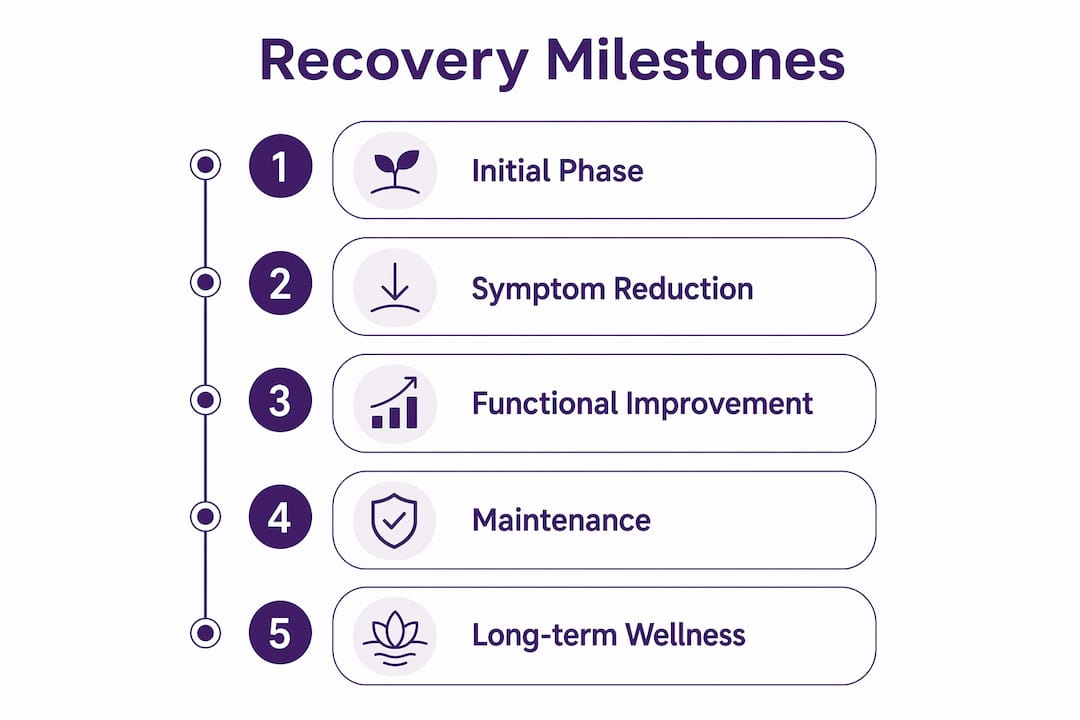
Clinical models describe three primary recovery phases: acute, stabilization, and maintenance. Each has a distinct focus, and they are fluid rather than fixed.
- Acute phase: Symptoms are at their most severe. Treatment begins here, whether that is antidepressant medication, therapy, or both. The goal is symptom reduction, not full recovery. Most people notice initial improvement within 4–8 weeks of starting treatment.
- Stabilization phase: Symptoms gradually lessen as therapy or medication takes effect. This phase focuses on consolidating gains, adjusting treatment if needed, and beginning to restore daily functioning. It is also when cognitive behavioral therapy tends to produce its most measurable gains.
- Maintenance phase: The focus shifts to sustaining progress and preventing relapse. Therapy sessions may become less frequent, but monitoring continues. This phase is where remission is formally defined: being symptom-free for at least six months to a year after initial improvement.
One distinction clinicians draw carefully is between symptom remission and functional recovery. Feeling less sad can happen weeks before you are able to return to work or maintain relationships at your previous level. Both matter, and true recovery combines clinical outcomes with patient-defined quality of life. Therapy milestones, like completing a structured course of treatment or successfully applying a coping skill during a crisis, fit into all three phases and signal that the work is taking hold.
What should you realistically expect from the recovery timeline?

Recovery timelines vary more than most people expect, and that variability is normal. Clinical studies show that between 81% and 98% of people recover within one year of beginning treatment, while about 53% recover naturally within a year without specialized intervention, with rates varying depending on severity.
Key timeline facts:
- Initial symptom improvement typically appears within 4–8 weeks of starting treatment
- Early improvement at 4 weeks strongly predicts better outcomes at 6 and 12 months
- 75% of people who continue treatment after an initial response maintain those gains at the 6-month mark
- Full recovery, including functional restoration, often takes several months beyond symptom relief
Relapse is part of the picture too. About 50% of people who experience a depressive episode will have a recurrence within two years, and that risk increases with each subsequent episode. A relapse prevention plan, built with your provider during the maintenance phase, is not optional for long-term recovery. It should name your personal early warning signs and spell out specific action steps before symptoms escalate.
Pro Tip: If you notice the same two or three warning signs returning, that is your cue to contact your provider immediately rather than waiting to see if things improve on their own. Early intervention shortens recurrence duration significantly.

Managing setbacks means treating them as data, not failure. A bad week after several good ones does not erase progress. It usually signals a need to adjust something: sleep, stress load, medication timing, or therapy frequency. The self-monitoring strategies you build during recovery are exactly what make setbacks manageable rather than derailing.
How do you track recovery progress effectively?
Tracking recovery from depression works best when you combine formal clinical tools with personal monitoring. Neither alone gives the full picture.
Clinical tools:
- PHQ-9 (Patient Health Questionnaire-9): A nine-item scale that scores symptom severity from 0 to 27. Measurement-based care using PHQ-9 increases remission rates (53% vs. 43%) compared to treatment without systematic tracking.
- QIDS (Quick Inventory of Depressive Symptomatology): Covers 16 symptom domains and is sensitive enough to detect subtle shifts between appointments.
- Regular clinician assessments that evaluate thought patterns, emotional regulation, and behavioral progress.
Personal tracking methods:
- Daily mood and energy logs, rated on a simple 1–10 scale
- Journaling functional milestones: tasks completed, social interactions, moments of enjoyment
- Mood tracking apps that generate visual trend data over weeks and months
- Sharing personal logs with your provider to support timely treatment adjustments
Personal tracking helps you recognize improvements that feel invisible day to day. Sharing those logs with your clinician turns subjective experience into actionable clinical data. The domains that matter most to monitor are mood, energy, cognitive function, sleep quality, appetite, and social engagement. Sustained recovery means maintaining minimal symptoms and emotional stability across these domains for several months or longer. For people managing complex or recurring depression, the self-care strategies that support daily functioning are as trackable as any clinical score.
Cognicareai gives you a clearer path through recovery
Tracking depression recovery milestones is hard when you are doing it alone with a blank journal and a quarterly appointment. Cognicareai offers something more targeted: a curated directory of AI-powered mental health tools that match your specific recovery stage, whether you are in the acute phase and need immediate support, or in maintenance and looking for tools that reinforce daily stability.
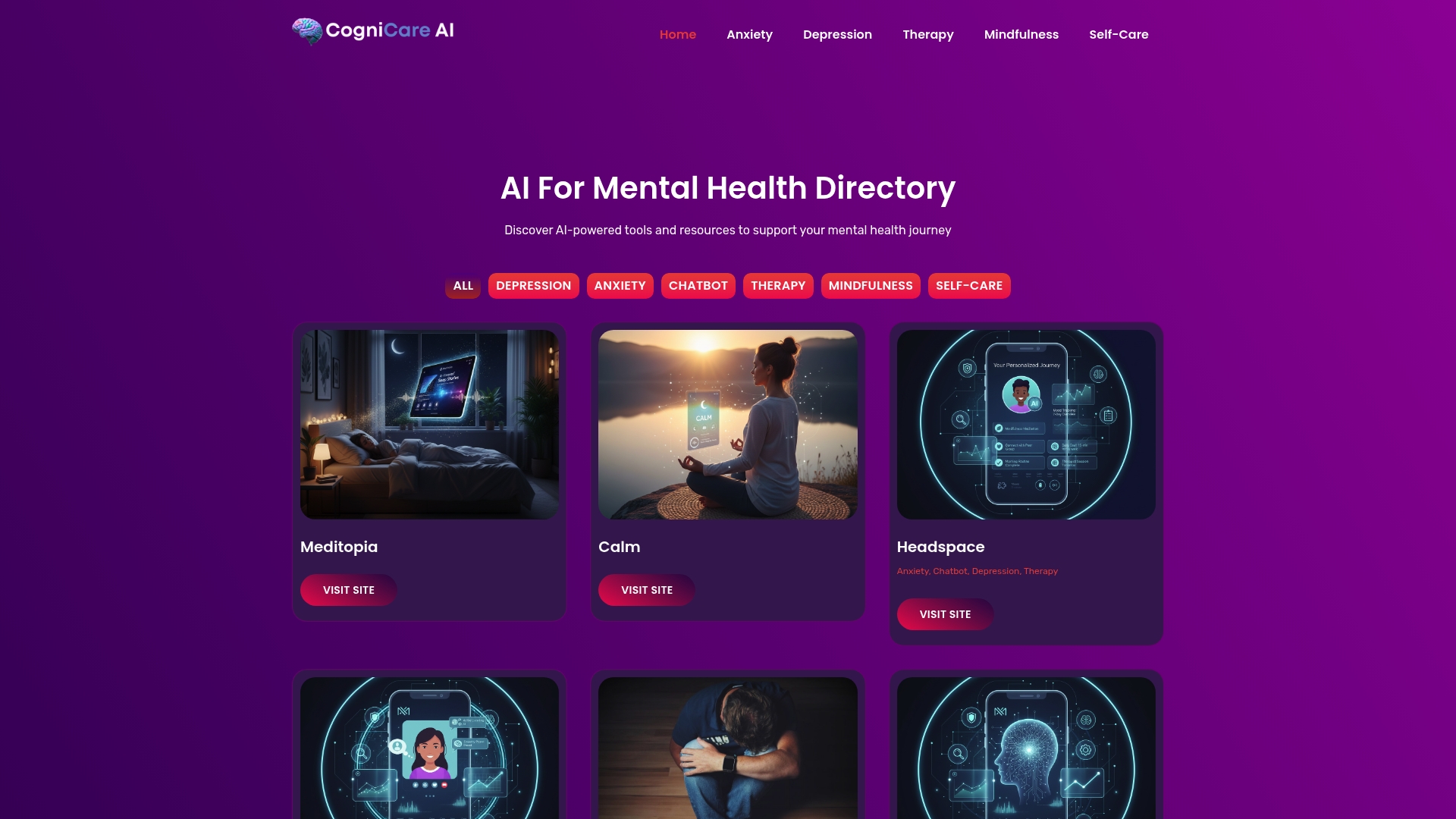
The tools available through Cognicareai cover the full recovery spectrum: mood tracking apps that generate the kind of trend data your clinician can actually use, AI-driven therapy tools that adapt to your progress, and mindfulness resources calibrated for people managing depression rather than general stress. The difference from a generic wellness app is personalization at the level of your symptoms and goals, not a one-size approach. Browse the AI-powered mental health tools on Cognicareai and find the ones that fit where you are right now in your recovery.
Key Takeaways
Recovery milestones work by combining clinical phase tracking, symptom measurement, and personal progress monitoring into a single, personalized picture of healing.
| Point | Details |
|---|---|
| Recovery is non-linear | Progress appears in layers: mood first, then energy, then full daily functioning, often weeks apart. |
| Treatment accelerates recovery | Clinical studies show 81%–98% of people recover within one year with treatment, while about 53% recover naturally within a year without specialized intervention. |
| Early response predicts outcomes | Improvement within the first 4 weeks strongly correlates with sustained gains at 6 and 12 months. |
| Relapse risk is real and plannable | About 50% of people experience recurrence within two years; a written prevention plan cuts that risk. |
| Cognicareai supports milestone tracking | Cognicareai’s directory of AI-powered tools helps match recovery-stage needs to personalized mental health resources. |