

High performance mental health maintenance is defined as the ongoing practice of protecting and building cognitive capacity, emotional regulation, and stress resilience through evidence-based daily habits. This is not informal self-care. It is the same systematic approach elite athletes apply to physical conditioning, now applied to the brain and nervous system. Early intervention consistently delivers better outcomes than waiting for a crisis. The research is clear: sleep, nutrition, cognitive training, and stress regulation are performance variables, not lifestyle bonuses. Treat them that way, and your mental output compounds over time.
What foundational habits support high performance mental health maintenance?
Sleep is the single most underrated performance variable. Chronic sleep deprivation causes cognitive declines equivalent to a 0.08% blood alcohol concentration. That means less than 6 hours per night leaves you legally impaired for driving, yet most high performers accept that state as normal. The fix is not complicated: 7–9 hours, consistent sleep and wake times, and a cool, dark room.
Exercise is the second pillar. 150+ minutes of aerobic exercise weekly combined with two strength sessions produces measurable cognitive benefits within 4–12 weeks. Aerobic work increases brain-derived neurotrophic factor, which supports memory and learning. Strength training improves executive function and mood regulation through hormonal pathways.
Nutrition rounds out the foundation. Three supplements have strong clinical support for brain health:
- Omega-3 fatty acids (EPA+DHA, 2–3 grams daily): Reduce neuroinflammation and support mood stability.
- Creatine monohydrate (3–5 grams daily): Buffers cognitive decline caused by sleep deprivation, particularly useful for vegetarians and people with irregular schedules.
- Magnesium L-threonate (1–2 grams daily): Crosses the blood-brain barrier to enhance executive function and improve sleep quality. Most magnesium forms do not reach the brain effectively. This form does.
Pro Tip: Stack creatine with your morning meal and magnesium L-threonate with your evening meal. This timing aligns each supplement with its primary benefit: daytime cognitive buffer and nighttime sleep quality.
Habit formation takes longer than most people expect. Median habit formation runs 59–66 days, and consistency matters far more than motivation. Attach new behaviors to stable morning cues, keep them simple at first, and resist the urge to overhaul everything at once. One anchor habit, done daily, builds the neural pathway that makes the next habit easier.
How can cognitive training maintain mental agility under stress?
Brain endurance training (BET) is a protocol that combines cognitive demands with physical or mental load to build fatigue resistance in the central nervous system. Most people train their bodies but ignore the brain’s capacity to sustain focus under pressure. BET addresses that gap directly.
BET improves cognitive resource regulation and maintains executive function and reaction times during mental fatigue. The key distinction is that BET does not raise your baseline cognitive ceiling. It raises your floor, meaning you perform better when tired, stressed, or under load. That is exactly the condition high performers face most often.
Brain endurance training protocols work by targeting central nervous system fatigue tolerance rather than peripheral fitness. The result is a brain that sustains decision quality and focus even when resources are depleted, which is the defining skill of sustained high performance.
Practical BET exercises you can integrate daily:
- Inhibitory control tasks: Practice stopping an automatic response. Stroop tasks (naming ink color rather than reading the word) are a simple example. Five minutes daily builds measurable control.
- Mindfulness with cognitive load: Meditate while tracking breath count. The moment you lose count, restart. This trains attention recovery, not just relaxation.
- Gratitude journaling with specificity: Write three specific, non-repeated gratitudes each morning. Vague entries (“I’m grateful for my family”) do not produce the same neural engagement as specific ones (“I’m grateful my colleague caught my error before the presentation”).
The role of sleep in anxiety management intersects directly with cognitive training. A sleep-deprived brain cannot consolidate the gains from BET practice. Both systems depend on each other.
Pro Tip: Schedule your hardest cognitive work within 90 minutes of waking, when cortisol is naturally elevated and focus is sharpest. Save administrative tasks for the afternoon dip.

What stress regulation techniques improve mental health and performance sustainability?
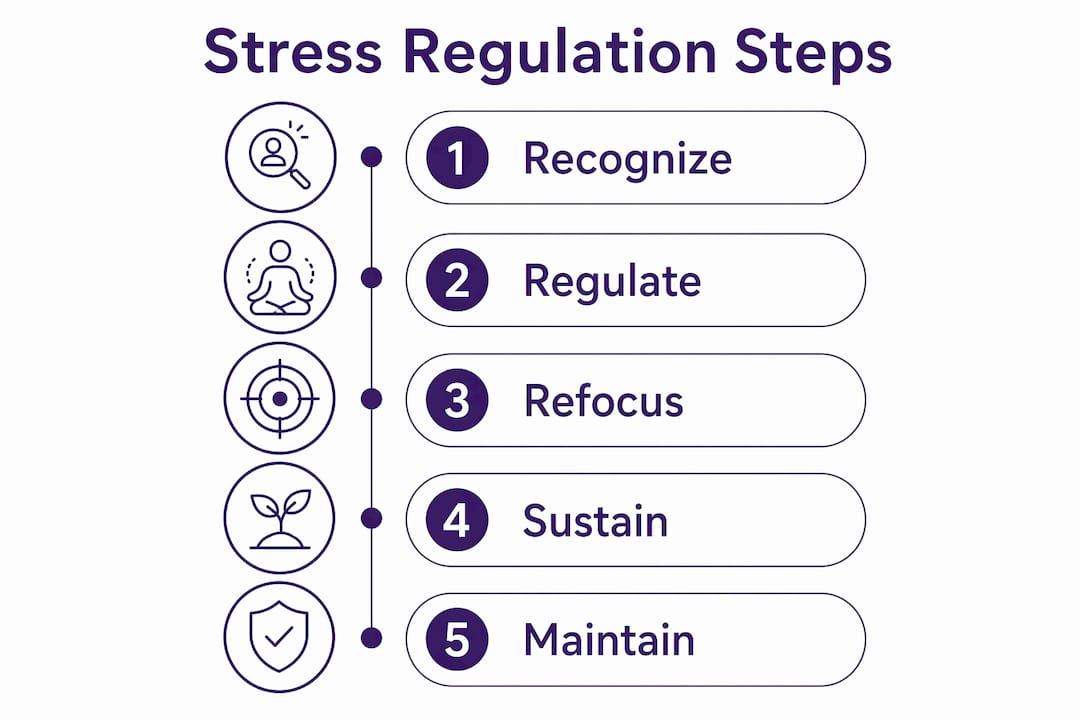
Stress is not the enemy of performance. Unmanaged stress is. The 3R framework (Recognize, Regulate, Refocus) gives high performers a real-time tool for handling stress without derailing focus. Recognize the physiological signal (tight chest, racing thoughts). Regulate with a brief intervention (box breathing, cold water on the face). Refocus on the task with a single clear intention. The whole sequence takes under two minutes.
Mindfulness meditation has the strongest evidence base for cortisol reduction among non-pharmacological interventions. Consistent short meditation practices improve emotional regulation and lower baseline anxiety over weeks, not months. Ten minutes daily produces results. The barrier is not time. It is the mistaken belief that meditation requires silence, stillness, or a cleared mind.
Social connection is a stress regulation tool that most high performers systematically underinvest in. Deep relationships with people who know you well create a psychological safety net that absorbs stress before it becomes chronic. Meaningful purpose, whether through work, community, or creative output, provides the same buffer at a larger scale.
Key stress regulation practices that produce measurable results:
- Box breathing (4-4-4-4): Inhale 4 seconds, hold 4, exhale 4, hold 4. Activates the parasympathetic nervous system within 60 seconds.
- Scheduled worry time: Contain rumination to a 15-minute daily window. Outside that window, redirect attention deliberately.
- Weekly social investment: One meaningful conversation per week with a close contact. Not networking. Not small talk. Real conversation.
- Purpose journaling: Write one sentence weekly connecting your current work to a larger value. This reframes stress as meaningful challenge rather than threat.
Workplace stress is the most common trigger for chronic cortisol elevation in high performers. Addressing it requires both in-the-moment regulation and structural changes to workload and recovery patterns.
How to implement a personalized mental health maintenance plan?
A personalized plan starts with measurement, not motivation. Tracking objective biomarkers like Omega-3 Index (target above 8%) and vitamin D (target 40–60 ng/mL) gives you actionable data rather than guesswork. Low Omega-3 levels link directly to increased depression risk. Supplementation raises levels noticeably within 8–12 weeks, making this one of the fastest measurable interventions available.
Build your plan in this sequence:
- Establish sleep first. No other intervention works well on a sleep-deprived brain. Lock in 7–9 hours before adding anything else.
- Add daily movement. Start with 20-minute walks if 150 minutes weekly feels out of reach. Consistency beats intensity at the start.
- Introduce one supplement. Omega-3 is the best first choice given its broad evidence base and low risk profile.
- Start a stress log. Track your three highest-stress moments each day for two weeks. Patterns emerge quickly and reveal your real triggers.
- Add cognitive training. Begin with five minutes of a single BET exercise. Expand after 30 days of consistency.
- Test biomarkers at 12 weeks. Adjust supplementation based on results, not assumptions.
Recovery breaks are a training stimulus, not a sign of weakness. Taking 30 minutes after 90 minutes of focused work prevents cognitive fatigue from accumulating. Resisting breaks because you feel “in flow” is a common mistake. The ego interprets rest as lost productivity. The data shows the opposite.
| Approach | Strength | Limitation |
|---|---|---|
| Sleep optimization alone | High impact, zero cost | Takes 2–4 weeks to feel full benefit |
| Supplementation protocol | Measurable via biomarkers | Requires consistent daily adherence |
| Cognitive training (BET) | Builds fatigue resistance | Benefits appear slowly over 6–8 weeks |
| Stress regulation (3R framework) | Immediate real-time effect | Requires practice to become automatic |
| Biomarker tracking | Removes guesswork | Requires lab testing investment |
Pro Tip: Use a simple spreadsheet to log sleep hours, supplement intake, and a 1–10 mood and focus score each morning. After 30 days, you will see correlations that no app can surface without your own data.
Key Takeaways
High performance mental health maintenance requires sleep, targeted supplementation, cognitive training, and consistent stress regulation working together as a system, not as isolated habits.
| Point | Details |
|---|---|
| Sleep is non-negotiable | Less than 6 hours impairs cognition as severely as legal intoxication. |
| Supplements have clinical support | Omega-3, creatine, and magnesium L-threonate improve focus and resilience within 8–12 weeks. |
| BET builds a higher floor | Brain endurance training sustains decision quality when you are tired, not just when rested. |
| The 3R framework works in real time | Recognize, Regulate, Refocus takes under two minutes and interrupts the stress cycle immediately. |
| Measure before you manage | Biomarker tracking (Omega-3 Index, vitamin D) turns mental health maintenance into a data-driven practice. |
Why mental health maintenance is really a nervous system problem
Most high performers frame mental health as a willpower issue. They push harder when focus drops, cut sleep to reclaim time, and treat rest as a reward rather than a requirement. That framing is wrong, and it is expensive.
High performance is defined by the capacity to hold difficult emotions without being disrupted. That is a nervous system regulation challenge, not a character trait. You cannot willpower your way to a regulated nervous system. You train it, the same way you train a muscle, through progressive load and mandatory recovery.
What I have found consistently is that the people who resist recovery the most are the ones who need it most. The feeling of flow during a long work session is real. The cognitive debt accumulating underneath it is also real. The brain does not signal fatigue the way muscles do. By the time you notice the decline, you are already several sessions behind on recovery.
The mindset shift that actually changes behavior is this: recovery is production. A 30-minute break after 90 minutes of focused work is not lost time. It is the stimulus that makes the next 90 minutes possible. Treating personalized mental health care as a performance input, rather than a personal indulgence, is the reframe that makes everything else in this article stick.
Measurement accelerates that shift. When you can see your Omega-3 Index rise from 4% to 8% over 12 weeks and correlate it with better focus scores in your daily log, mental health maintenance stops feeling abstract. It becomes as concrete as tracking your mile time or your bench press.
— dushyantha
AI-powered tools that support your mental health routine
Maintaining mental performance at a high level requires more than good intentions. The right tools make the difference between a routine that sticks and one that fades after two weeks.
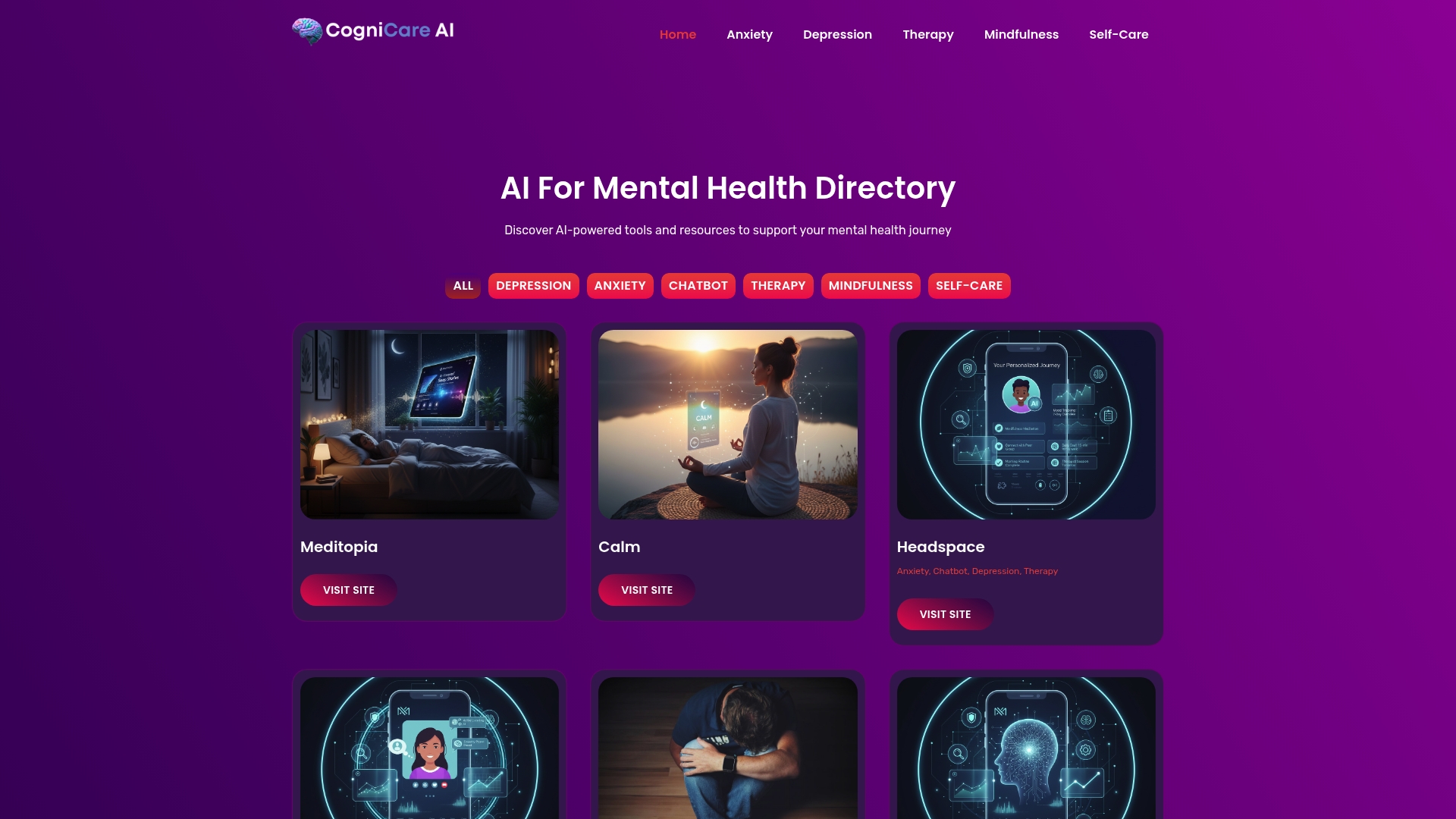
Cognicareai is a directory of AI-powered mental health tools designed to match you with resources that fit your specific needs, whether that is mindfulness support, cognitive training, or personalized self-monitoring. The platform cuts through the noise of hundreds of apps and surfaces tools that align with where you actually are in your mental health practice. For high performers who want to move from generic advice to a personalized system, the AI-powered mental health tools listed on Cognicareai offer a practical starting point. You can also explore AI mindfulness apps specifically selected to support stress regulation and emotional resilience.
FAQ
What is high performance mental health maintenance?
High performance mental health maintenance is the systematic practice of protecting cognitive function, emotional regulation, and stress resilience through daily evidence-based habits. It treats mental health as a performance variable, not a reactive concern.
How much sleep do high performers actually need?
Most high performers need 7–9 hours per night. Less than 6 hours causes cognitive impairment equivalent to a 0.08% blood alcohol concentration, which is the legal limit for driving.
What supplements support brain performance?
Omega-3 fatty acids (2–3 grams EPA+DHA daily), creatine monohydrate (3–5 grams), and magnesium L-threonate (1–2 grams) each have clinical evidence supporting focus, stress resilience, and sleep quality within 8–12 weeks of consistent use.
What is brain endurance training?
Brain endurance training (BET) is a protocol that builds the brain’s ability to sustain focus and decision quality under mental fatigue. It works by targeting central nervous system fatigue tolerance rather than raw cognitive capacity.
How long does it take to form a mental health habit?
Median habit formation takes 59–66 days. Consistency and stable environmental cues matter more than motivation, and simpler behaviors tied to morning routines form faster than complex multi-step practices.